
Samosir Island, Lake Toba: 2-Day Itinerary Exploring Batak Villages
Disclosure: This blog is reader-supported, and some posts contain affiliate links. If you make a booking, I may earn a small commission—at no extra cost to you. Thank you for keeping me writing and doing what I love!
A lake nearly the size of Singapore? There’s no way, right? Well, it’s true! And that lake is none other than Lake Toba, located in North Sumatra.
As the Earth’s largest volcanic crater lake, it’s no surprise, then, that at its center lies Samosir Island: the largest island within an island in the world, spanning roughly 630 km² — both the result of the catastrophic Toba supervolcano.

Sumatra has many beautiful places to visit, but I felt that Lake Toba and Samosir Island had something rather special, and I’m so glad our group had earmarked two nights here, even though it deserves more.
Samosir Island is the home and heart of the Batak culture, so even if you’re familiar with Sumatra, this island feels like a time capsule dating back centuries and is well worth including in your Sumatra itinerary.
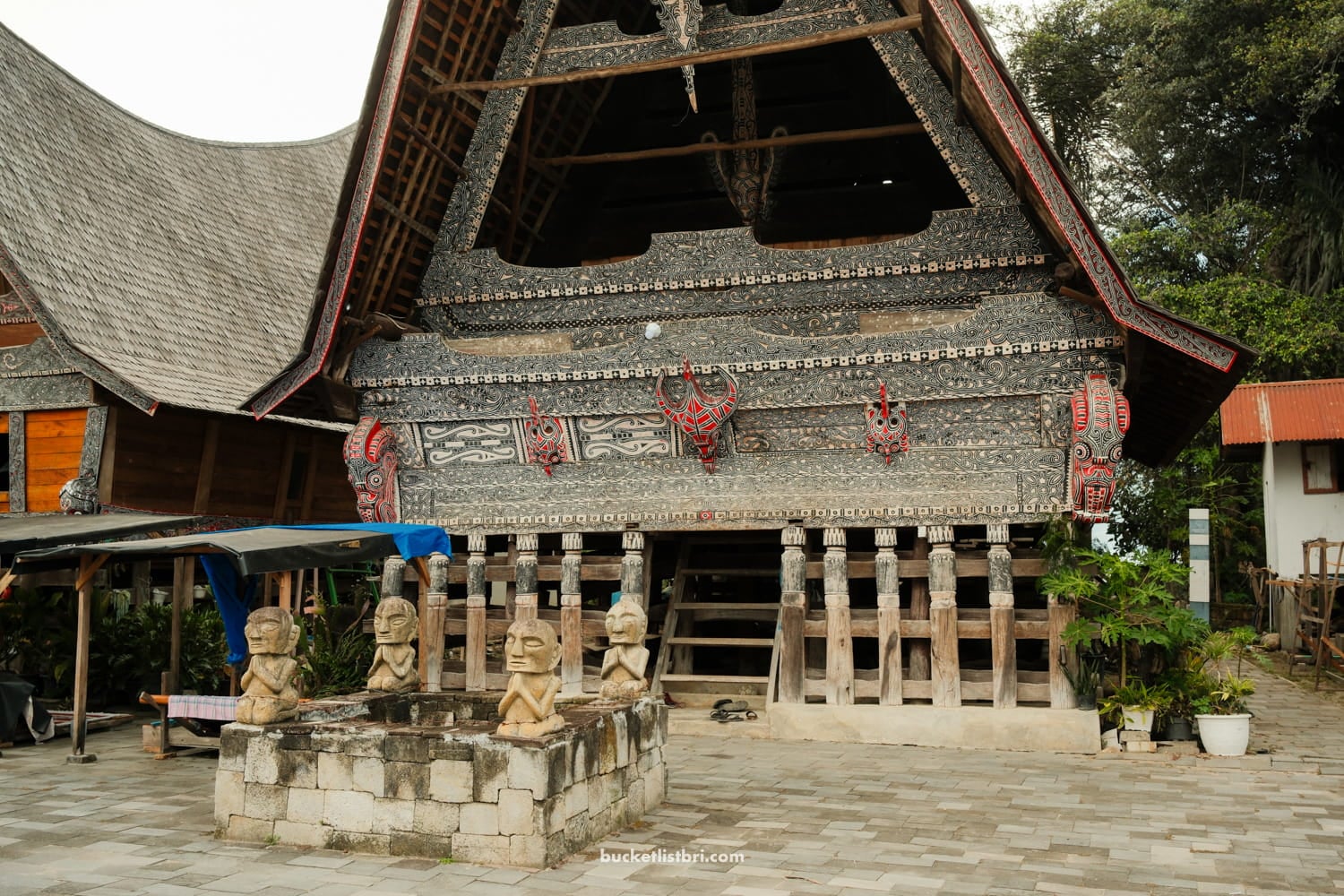
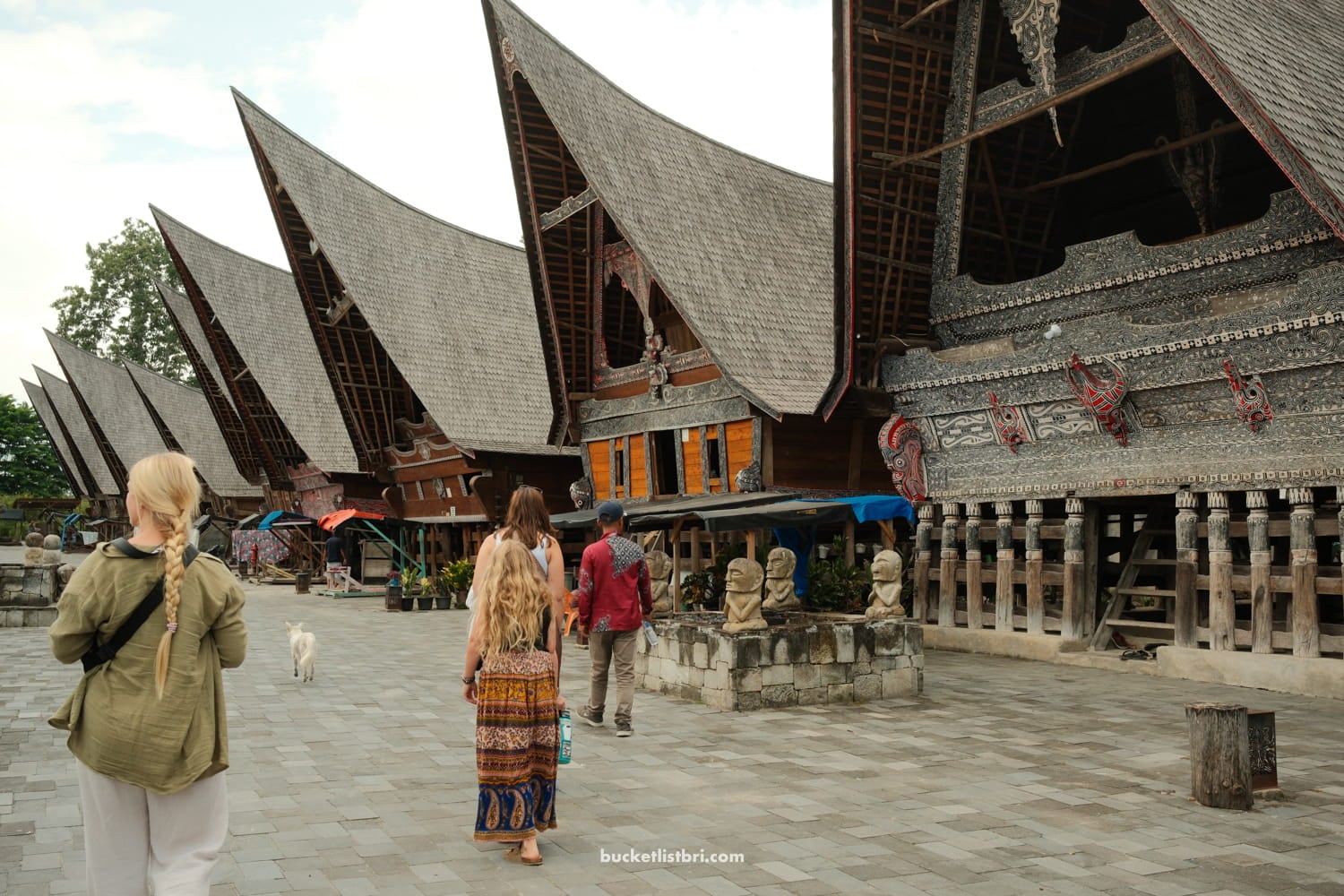
Indeed, among the many things to do and see on Samosir Island, visiting the traditional Batak villages with their unique boat-style houses, wood carvings, and ancient customs — preserved and still lived in today — stands out most. So unique to it on this island of islands.
I eagerly welcomed the slower pace of life on Samosir Island, so different from trekking in the humid jungle of Bukit Lawang and the cooler mountain temps of Berastagi and Mount Sibayak.
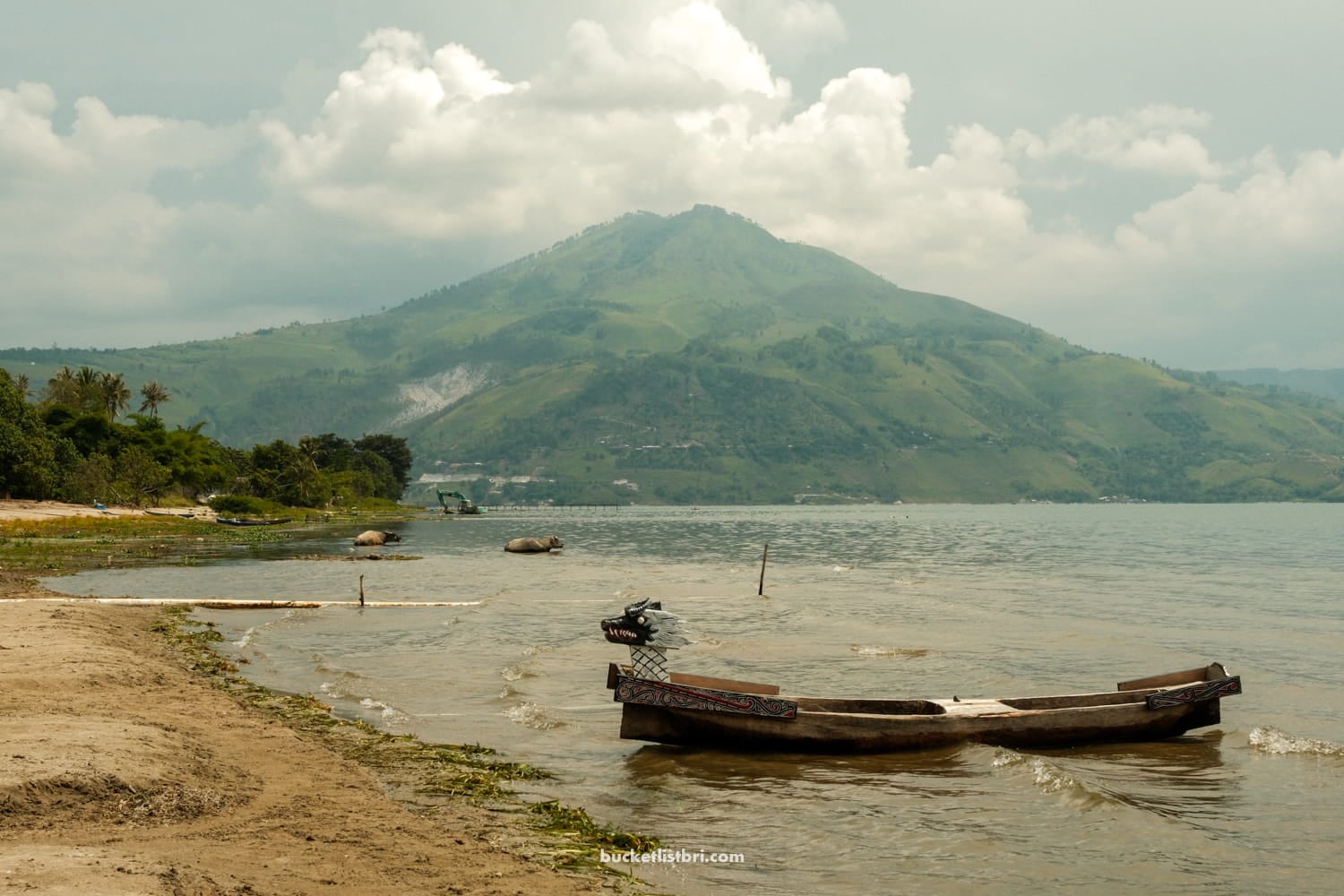
Though it’s far from perfect, here’s my quick guide to exploring Samosir Island, Lake Toba, in as little as two days!
Why Visit Samosir Island at Lake Toba?
Despite Samosir Island being a well-known tourist destination in Sumatra, it’s nothing compared to the hotspots of Bali or Java.

As a whole, I felt it remained well off the beaten path but was preserved and developed enough for tourists to easily access the rich Batak heritage.
That’s the main reason to visit, in my opinion — the Batak culture that exists here and is still lived.
Rare is it to see families living and preserving the traditional way of life that existed centuries ago. But that’s what makes Samosir Island in Sumatra so unique.
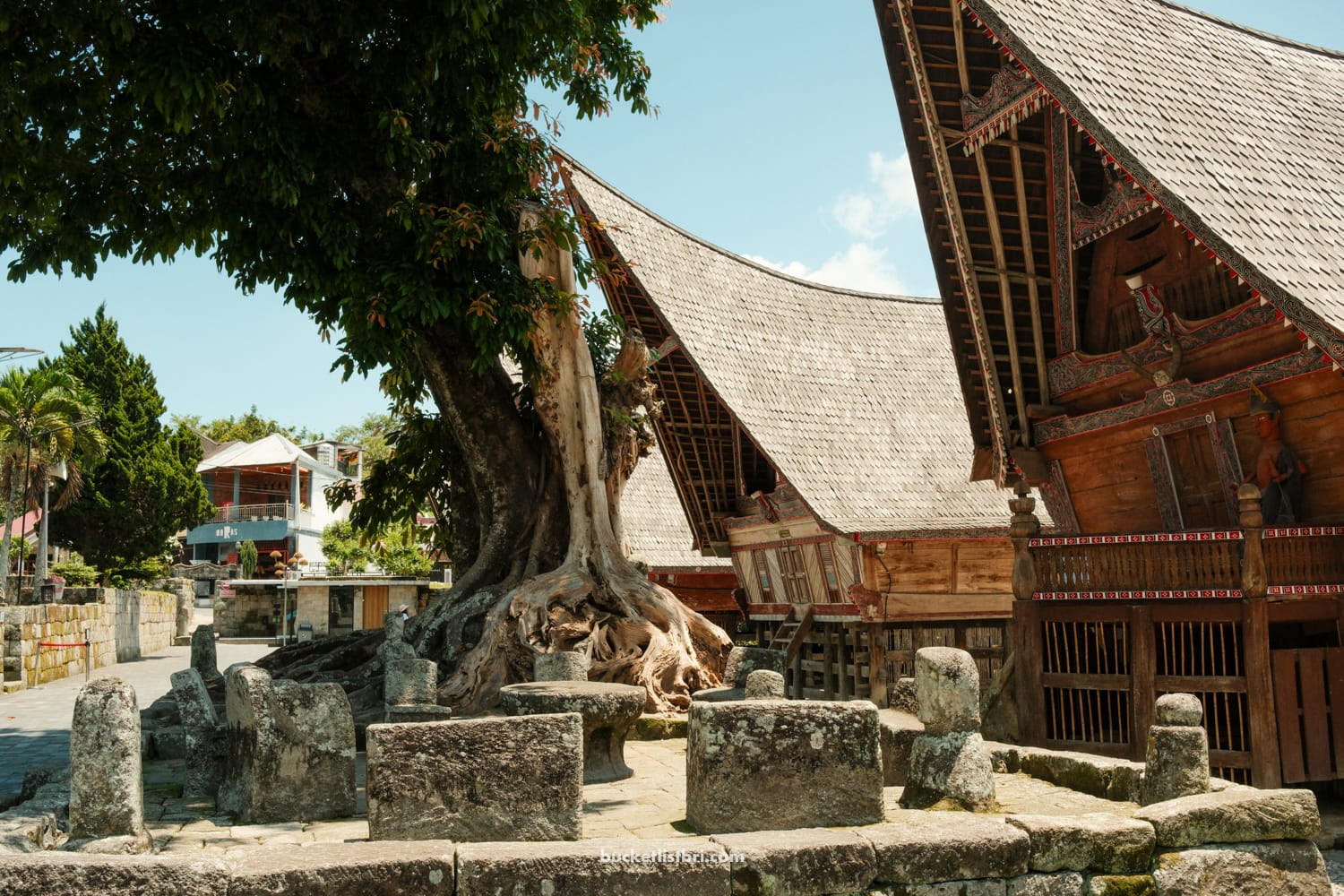
Walking through some of the Batak villages, like Tomok, feels like a stroll through an open-air living museum. That’s unlike elsewhere I’ve been, where the traditional homes have been cleaned out. Here, you get to peer inside the family homes without curation or a red curtain — for all to bear witness to this living history.
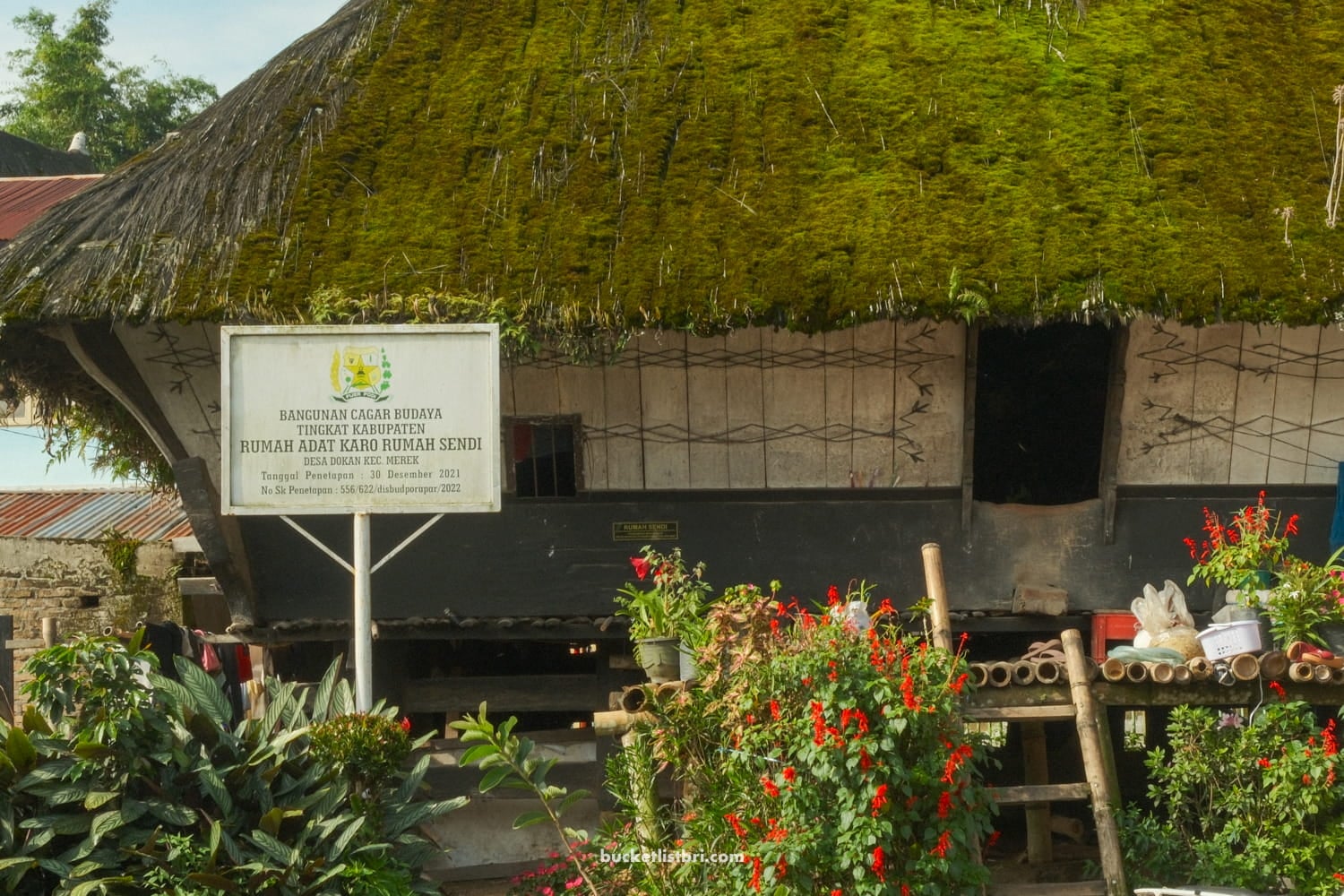
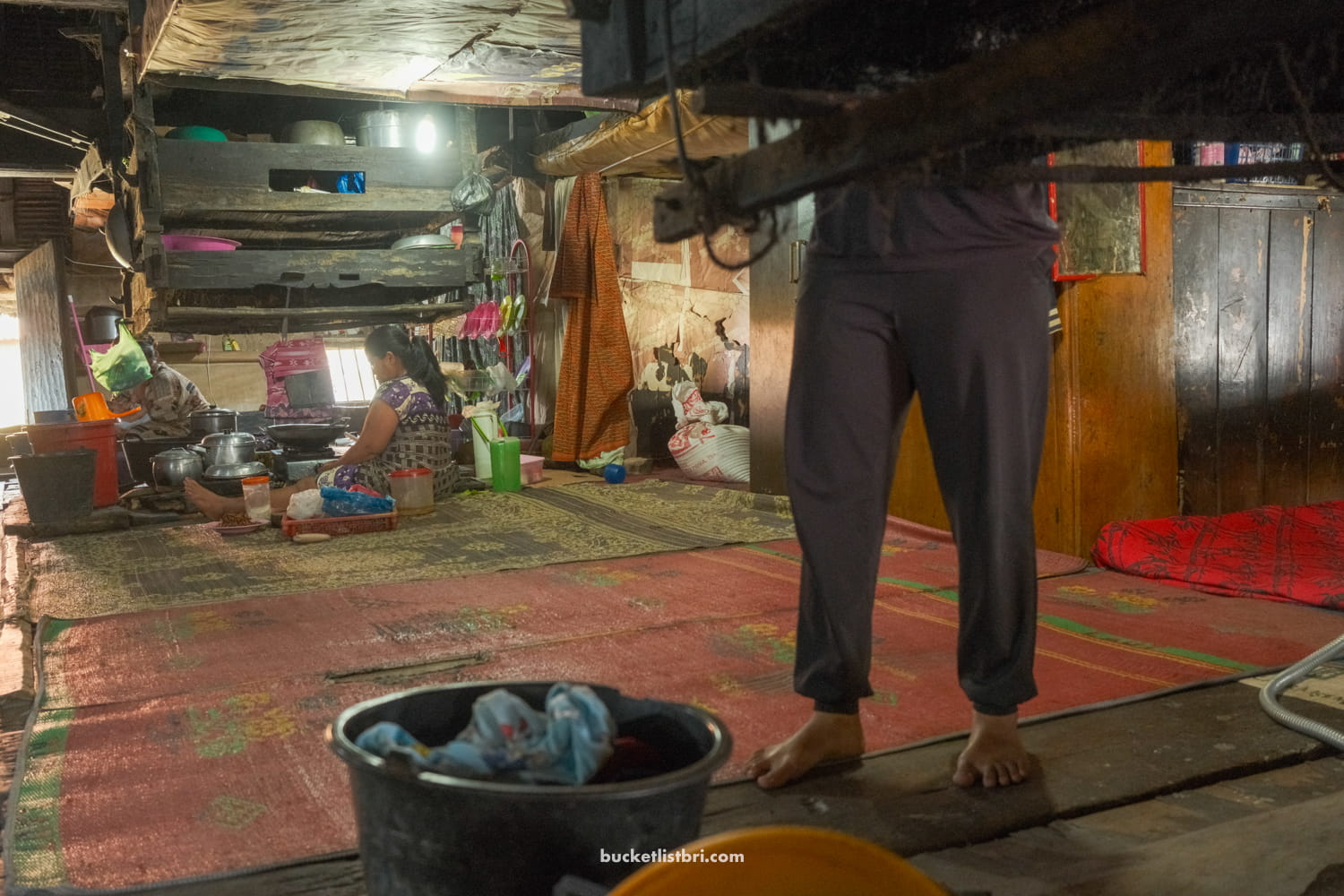
And then, Samosir Island is beautiful, obviously. Yes, you can swim in Lake Toba, chase waterfalls, drive up to viewpoints, and marvel at rolling green hills (there’s a “Teletubbies hill viewpoint,” Holbung), but all of that feels secondary to learning about the living, breathing history here.
How to Get to Samosir Island
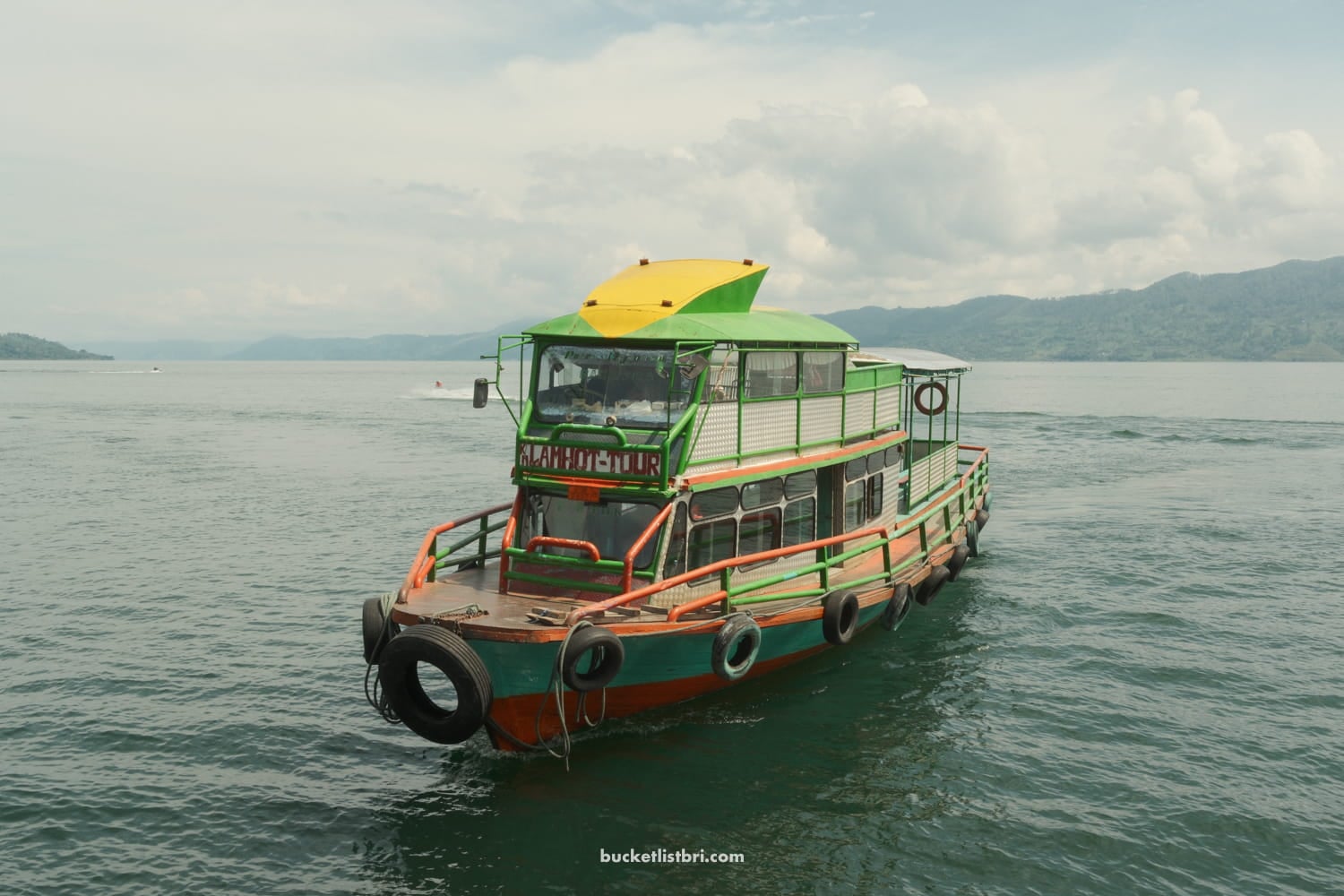
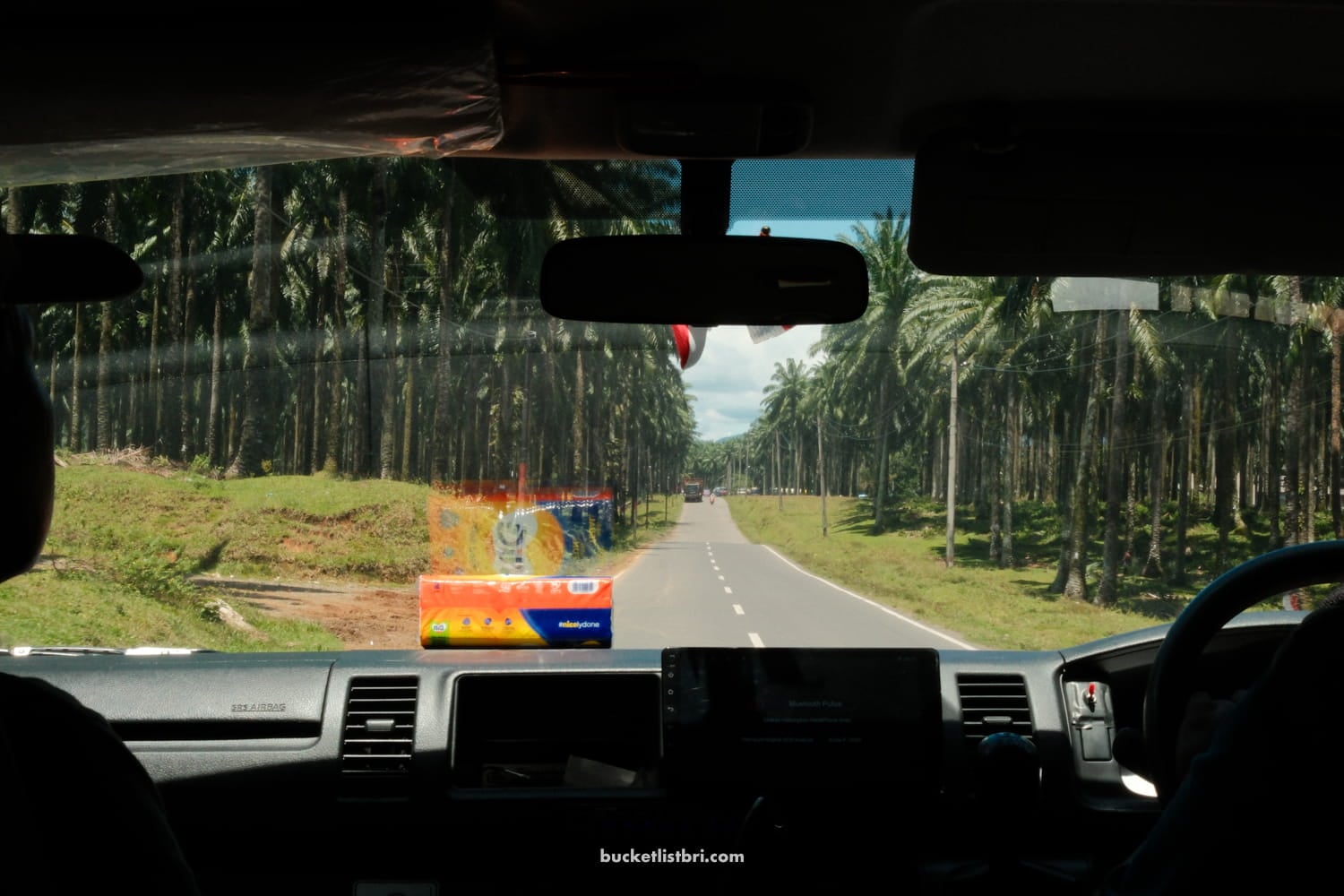
I arrived on Samosir pampered by ferry and an air-conditioned van, driven by a Sumatran driver who handled the roads well. I would encourage you to do the same and hire a private driver—the road to Lake Toba is curvy, and I wouldn’t recommend driving on your own unless you’re familiar with Indonesian (and Sumatran) traffic.
Even though we departed from Bukit Lawang, the road to Lake Toba still crosses back through Medan, so you’ll likely encounter heavy midday traffic. Best to leave Medan earlier, rather than later.
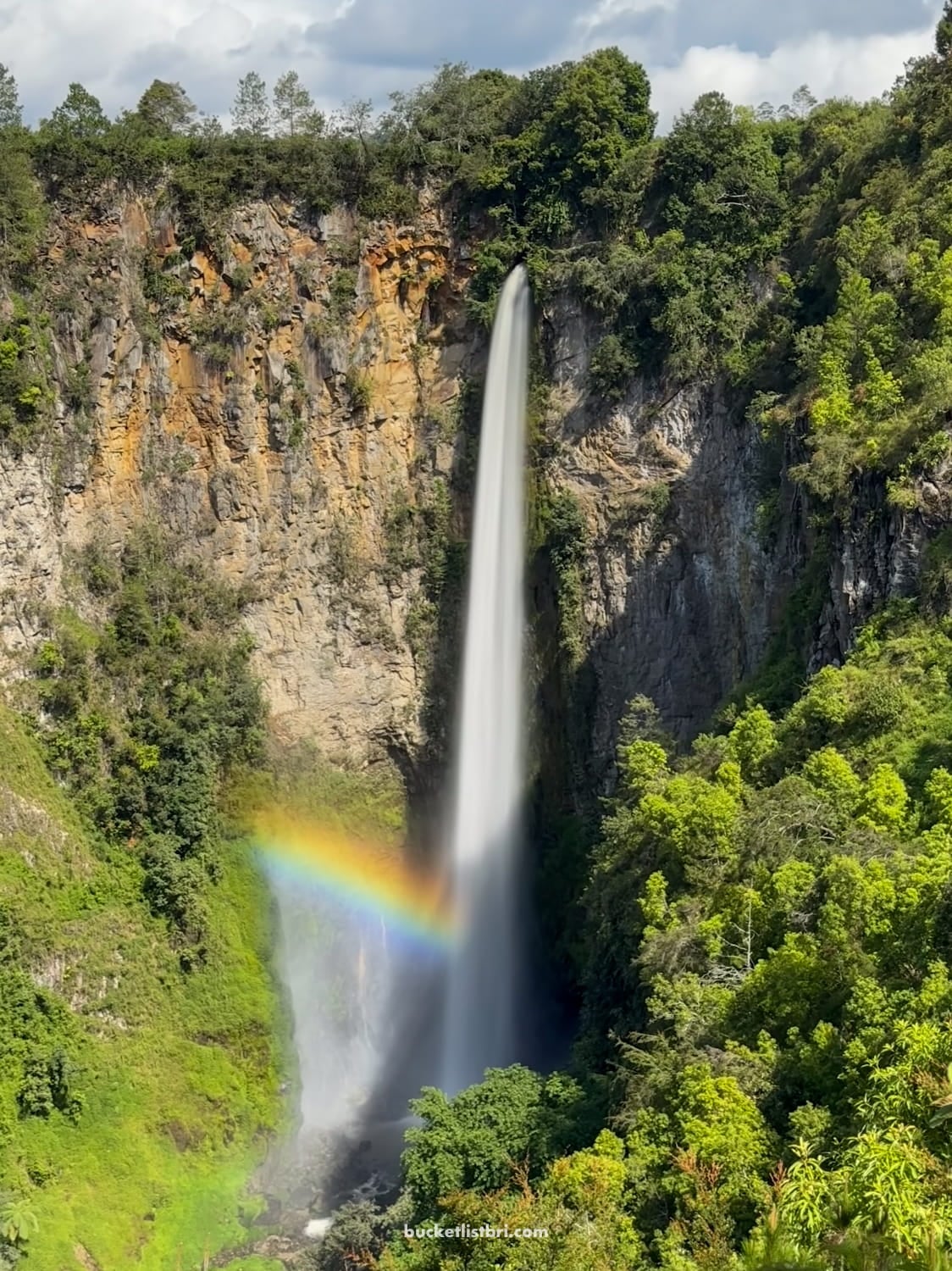
Along the way, we stopped at Sipiso Piso Waterfall, one of the tallest not just in the Karo Regency, but in all of Indonesia. If you’re heading toward Parapat, as we were, you’ll also want to add a stopover at Moria’s Cafe to your road trip (great specialty coffee + the cutest golden tiger kitty! 🥹).
After you reach Lake Toba, you will board a smooth ~50-minute ferry to reach Samosir Island from Parapat.
You could also drive to Holbung (Teletubbies Hill) on the other side, then cross via land at Pangururan, but that would entail a much longer drive around the island to reach Ambarita or Tuk Tuk, the little peninsula that juts out, which is arguably the best area to stay on Samosir Island.
You can read more on the official Discover Sumatra website for updated ferry schedules to Samosir.
Where to Stay on Samosir Island
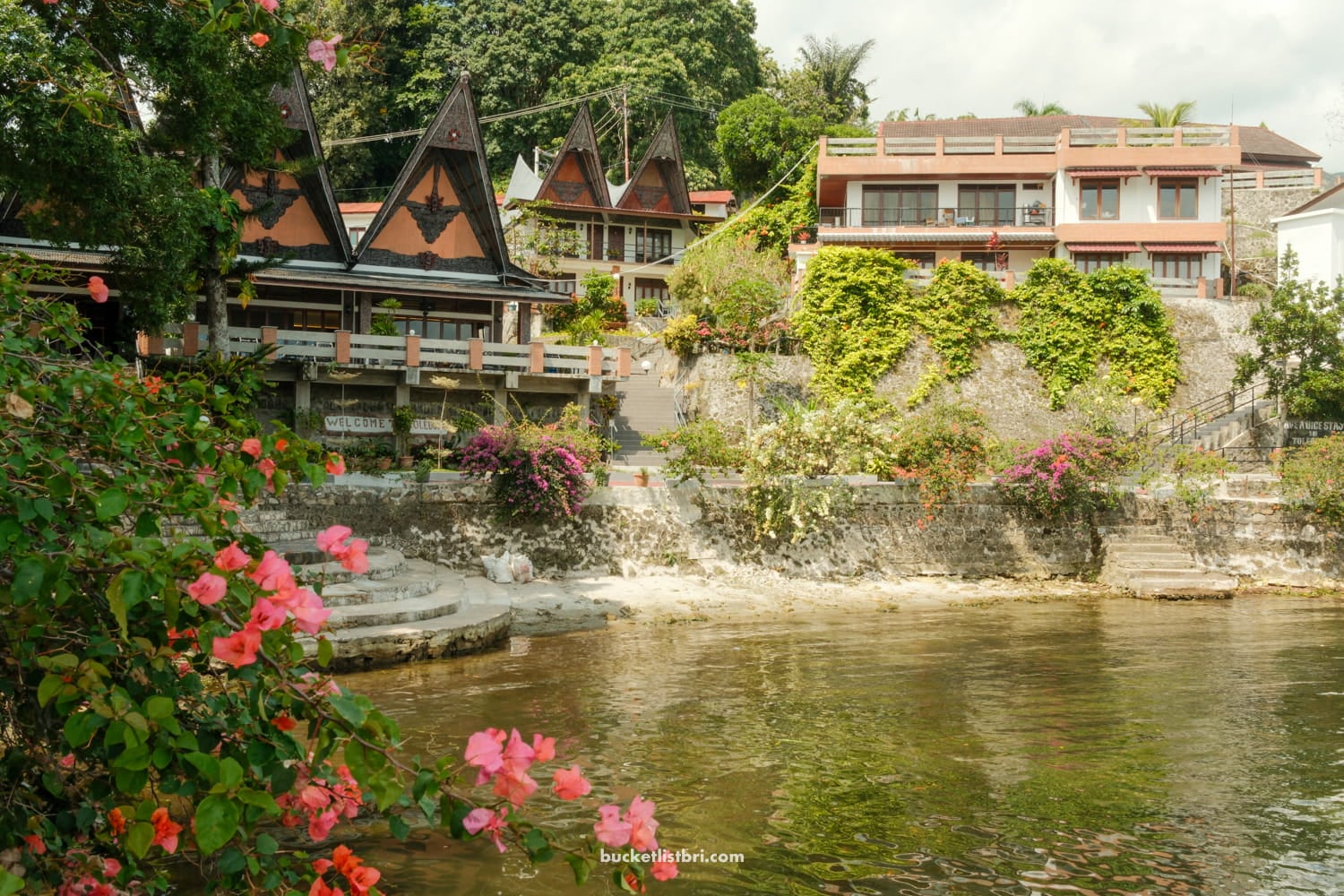
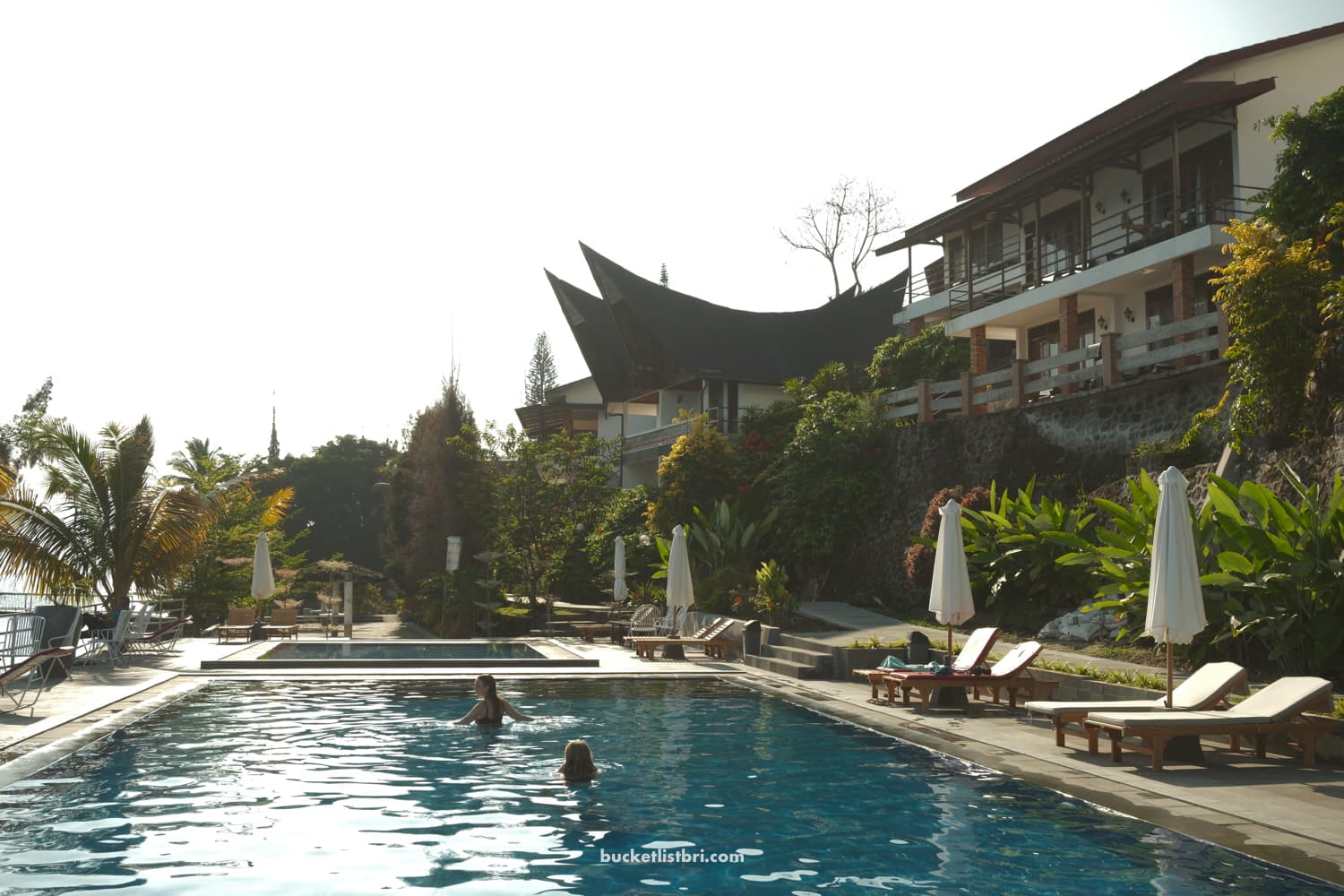
Upon checking in to our hotel in Lake Toba, with its flowering bougainvilleas, stone-lined walls, and retro-red poolside sun chairs, I honestly had to ask myself… Are we in Lake Como, Italy, right now, or Indonesia? 🌺
Like most tourists, we stayed on the Tuk Tuk peninsula of Samosir Island.
This small peninsula has a concentration of guesthouses, local Sumatran restaurants, and facilities such as scooter rentals and laundry.
Our group checked into the Toledo Inn — a sprawling lakeside resort that was definitely understated. It wasn’t fancy, but the views, spacious bedrooms and bathrooms, and beautiful pool and garden made it feel unique. The hotel belongs to a Toba man, dating back five? generations, and is a family business. It’s been renovated to accommodate modern luxuries while still retaining its Batak-style carvings and architecture.
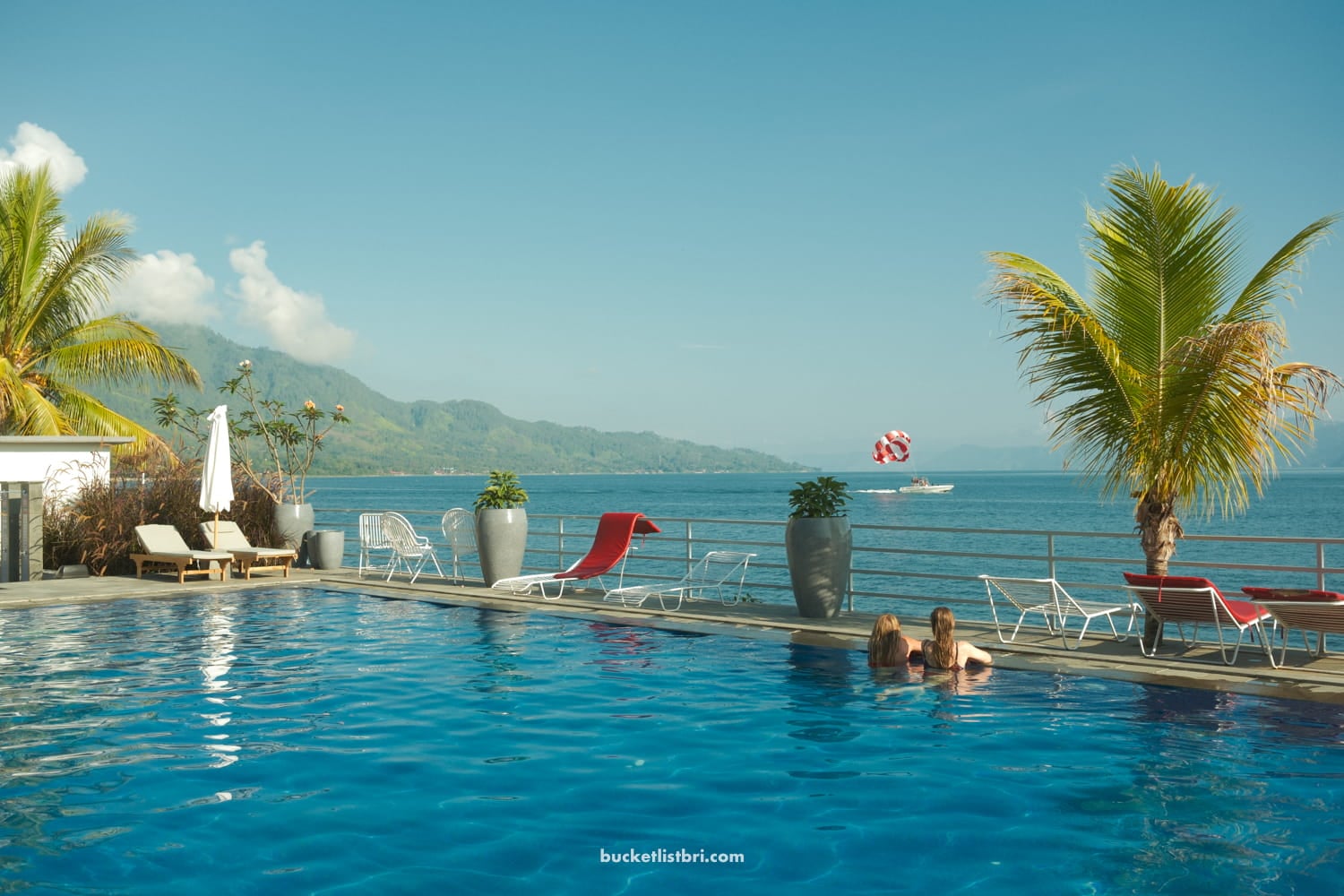
Toledo Inn felt like the perfect place to rest here, and we were a stone’s throw away from multiple local restaurants, including our karaoke spot, Leo’s, who is also the brother of our Batak guide. Nearby is also a lovely coffee shop and guesthouse, Hub Tata, with arguably the best view of the lush lake.
The best part about staying around Tuk Tuk is the convenience of day trips to most attractions on Samosir, including the Batak villages and the ulos handicrafts, plus ferry transport back to Parapat.
Samosir Island 2-Day Itinerary
If you’re coming to Samosir, plan at least two nights, if not more. It’ll give you time to settle in on day one and fully explore on day two before leaving on the morning of day three.
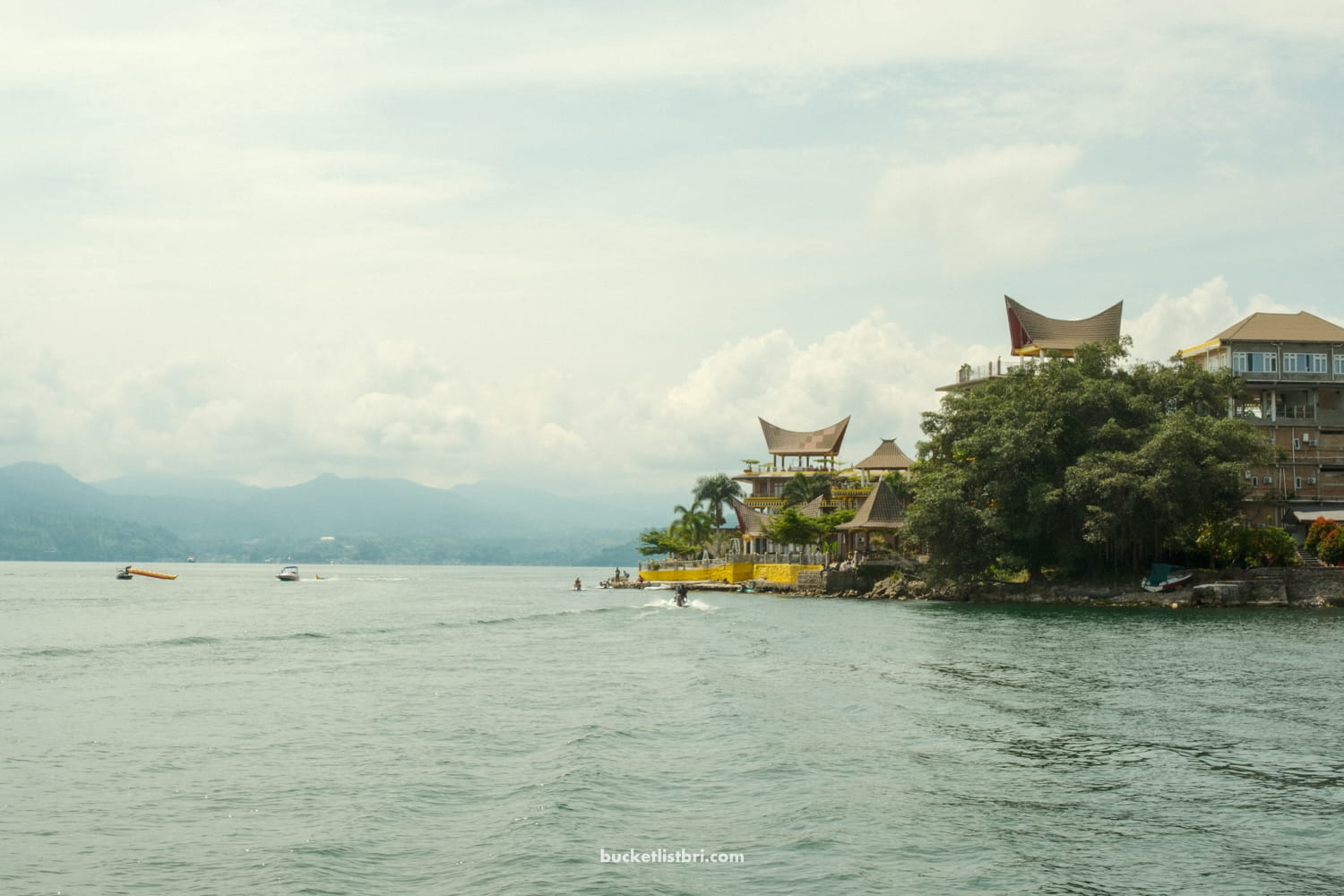
Day 1 – Ferry Arrival, Batak Culture + Sunset
Your first stop will be at your hotel in Tuk Tuk. If you arrive during late morning, there’s nothing better than checking into your hotel and relaxing before heading out for lunch at Tataring’s and a lakeside tour.
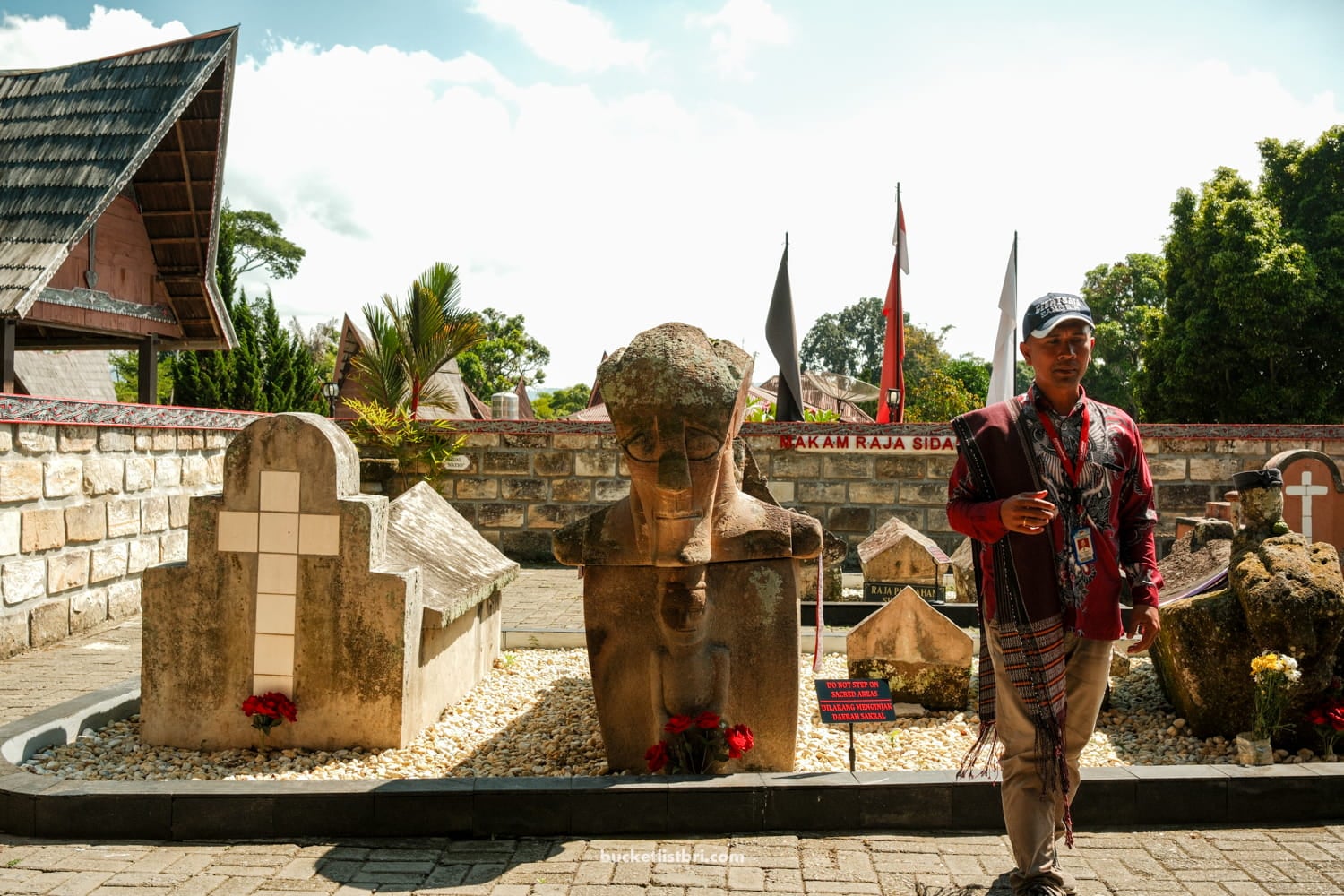
Following our group’s itinerary, you can make a first stop at Tomok Village, located just 5km from Tuk Tuk. This is where you’ll find the Batak king tombs, traditional houses, and a clothing and souvenir market (which feels a bit overwhelming and touristy compared to the rest of the village).
The most impressive part for me was seeing King Sidabutar’s grave and being guided by a 10th-generation member of the royal family. With extra time, you can step into the Batak Museum to see wood carvings and traditional costumes.
For sunset on night one, enjoy it poolside at the Toledo Inn, or at nearby Leo’s for dinner and drinks. Ask for the homemade mango wine made by a local Batak woman and her German husband.
If you’re staying on the opposite, southern end of the Tuk Tuk peninsula, check out Roy’s Pub for live music or grab rooftop views at the Escape Bar & Lounge at the luxurious Marianna Resort.
Day 2 – Viewpoints & Batak Villages
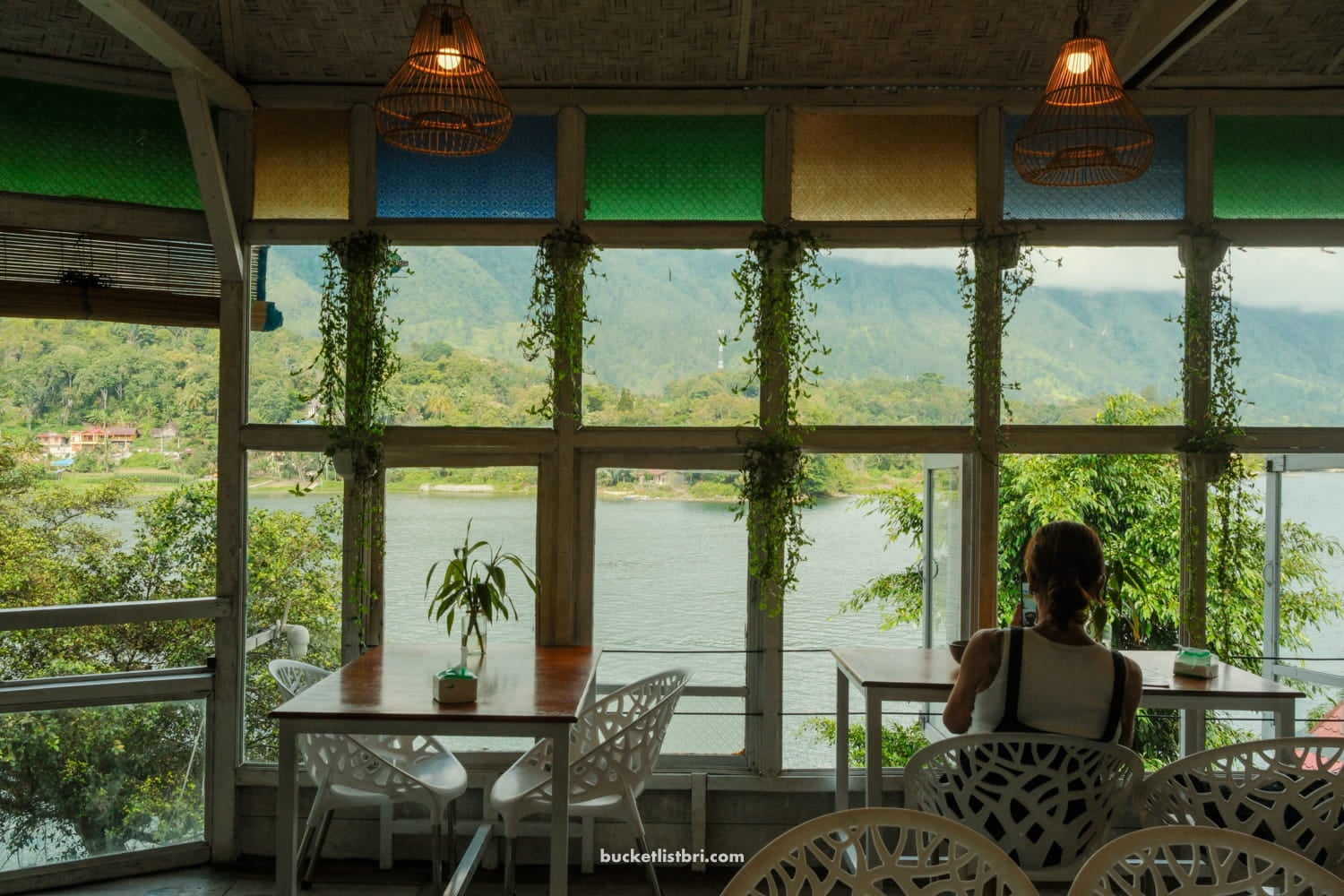
This morning, skip the hotel breakfast in favor of coffee and brunch with a beautiful lake view at Hub Tata. This place feels like a nice respite from the frequent nasi and mie goreng offered elsewhere. Stock up on smoothies and açai bowls, avo toast, or even fried tofu!
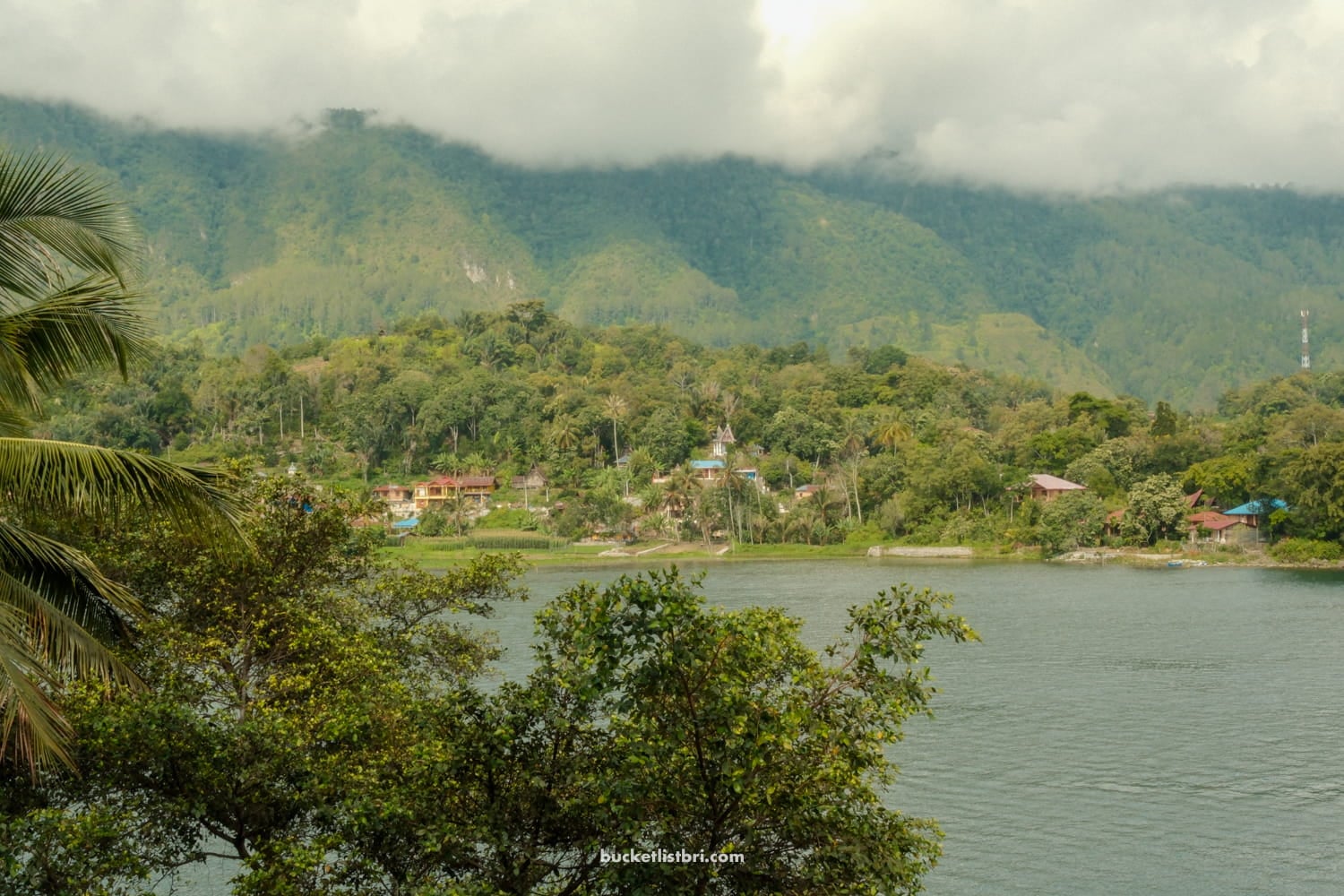
For a full day, hire a guide to take you to other Batak villages. I’d also suggest a half-day “lake day” to enjoy the water at your own leisure — swimming, jet skiing, kayaking — something the girls’ group and I wished we had time for!
For an active day, I suggest hiking Bukit Beta near Tomok or visiting the surrounding area of Ambarita and the rest of Tuktuk Siadong.
More Batak villages worth adding to your itinerary are:
- Huta Siallagan — Traditional Batak village with the “Stone Chairs of Justice.”
- Huta Bolon — Another Batak village (more lived in), where you can see the Batak traditional weaving and Ulos gallery.
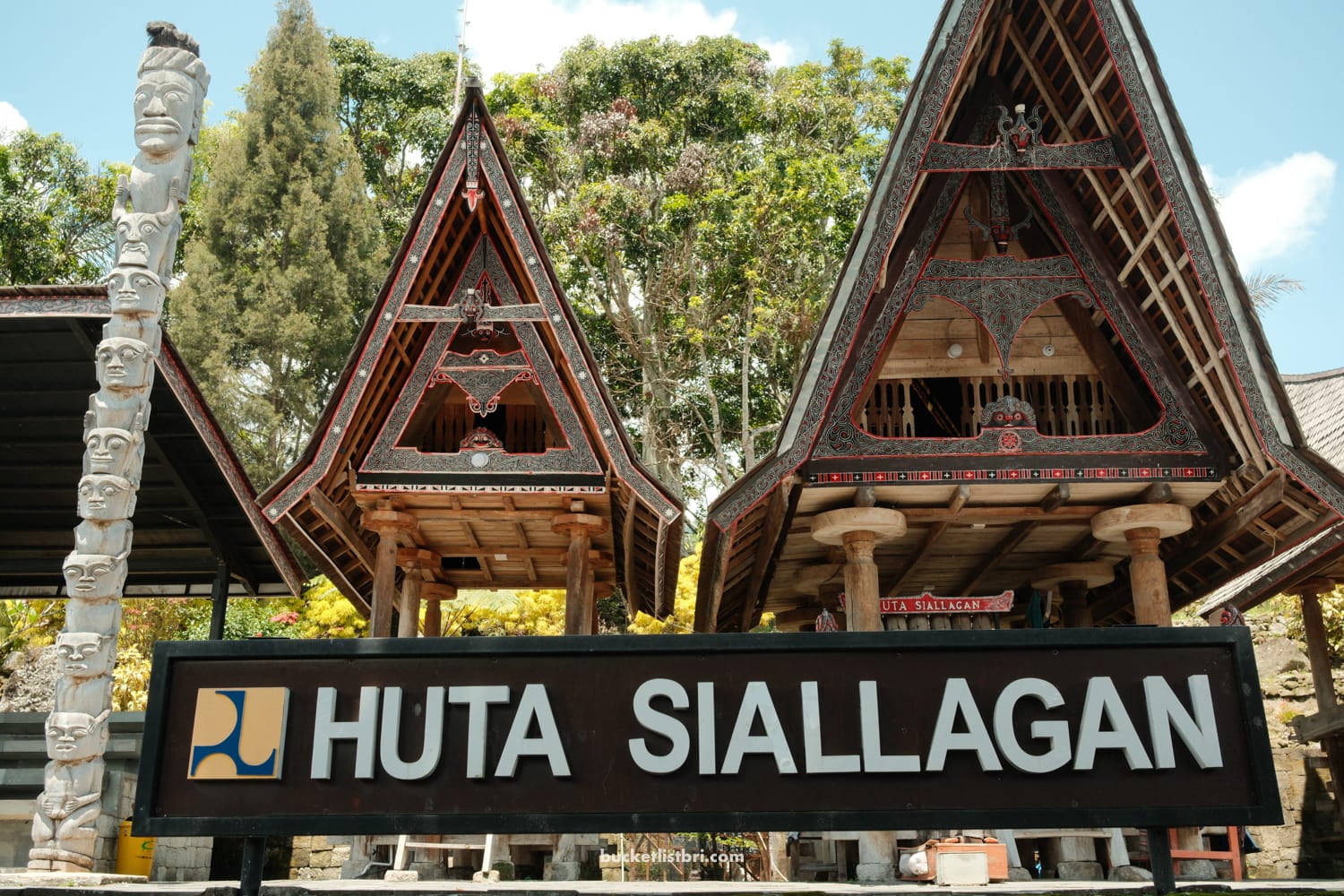
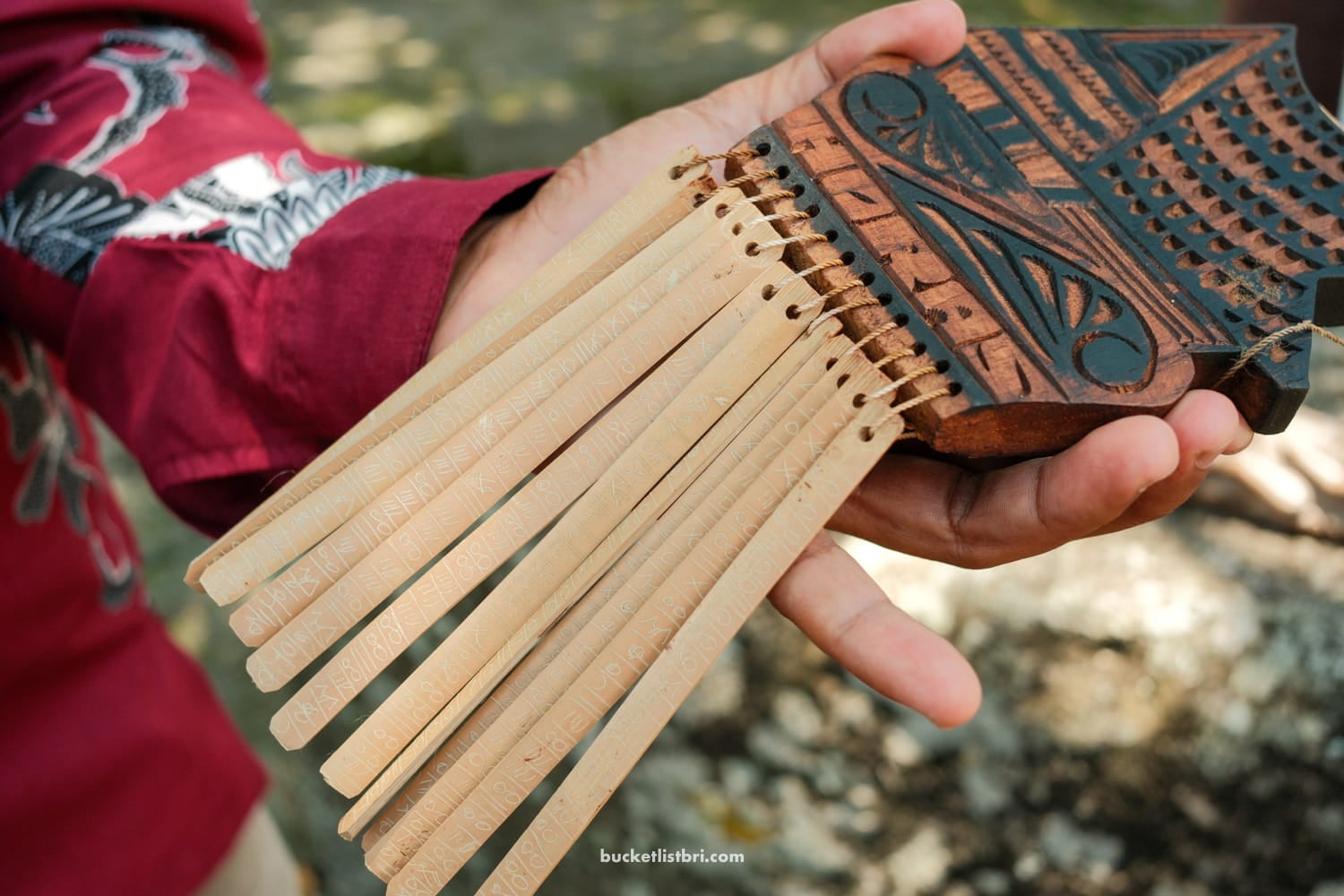
At Huta Siallagan, you can watch (and participate!) in the Tor Tor traditional dance and the Sigale-gale (large, life-sized wooden puppet) performance.
This ancient ritual shares the emotional tale of a grieving king who lost his son in battle. To ease his pain, his people created a life-sized puppet, performing a symbolic dance to bring his son’s memory to life. Sigale Gale remains a cherished part of Batak culture, practiced to this day, keeping the story and the traditions alive. Discover the beautiful history behind this captivating ritual and its ongoing significance in modern times.
— Wonderful Indonesia

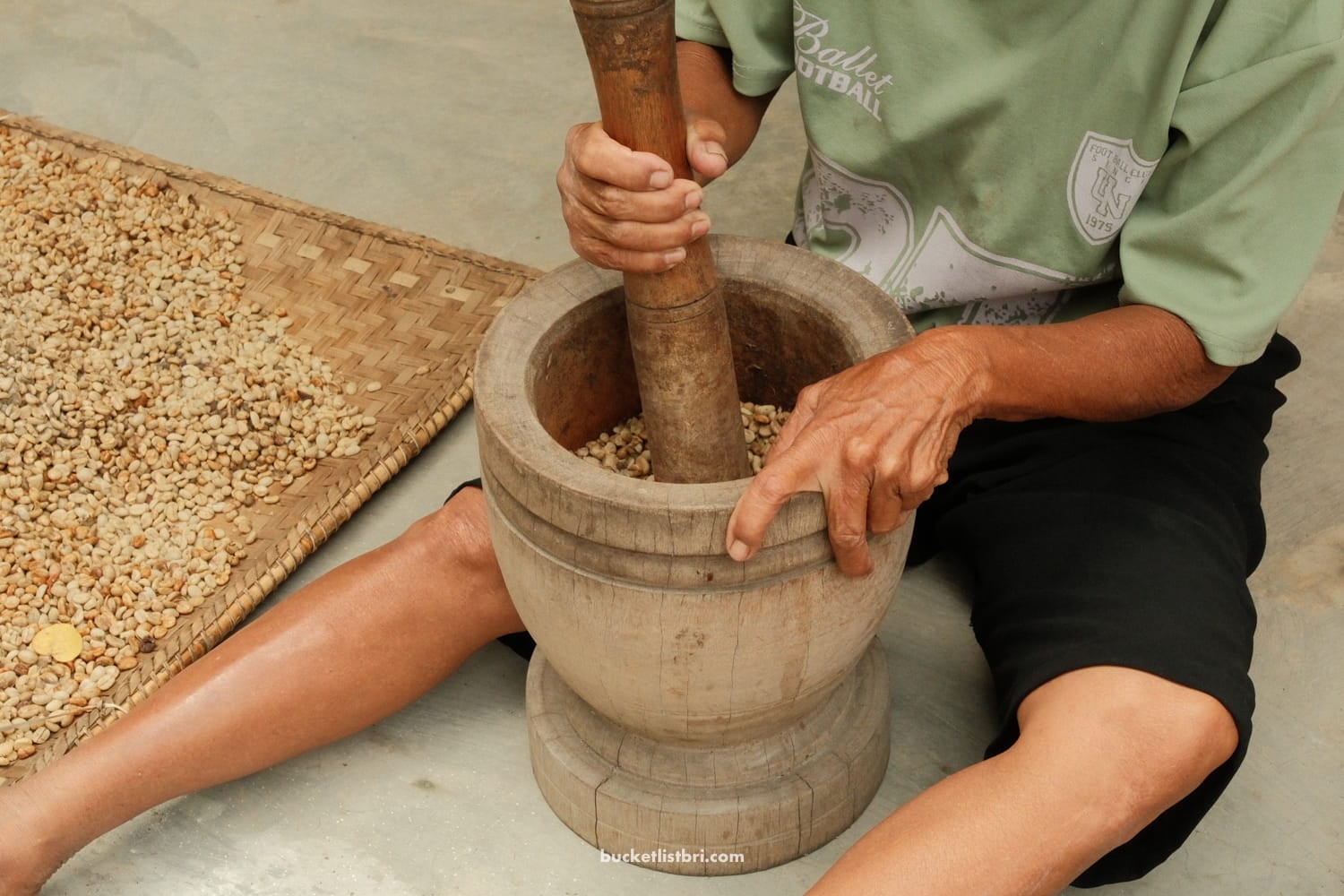
And near Huta Bolon, there is a beach our guide called an “authentic beach,” where you can sit lakeside, watch water buffalo, and try authentic specialty coffee from Samosir Island at Manik Brothers’ Coffee. We all tried their V60 and purchased beans to take home to our coffee-obsessed partners.
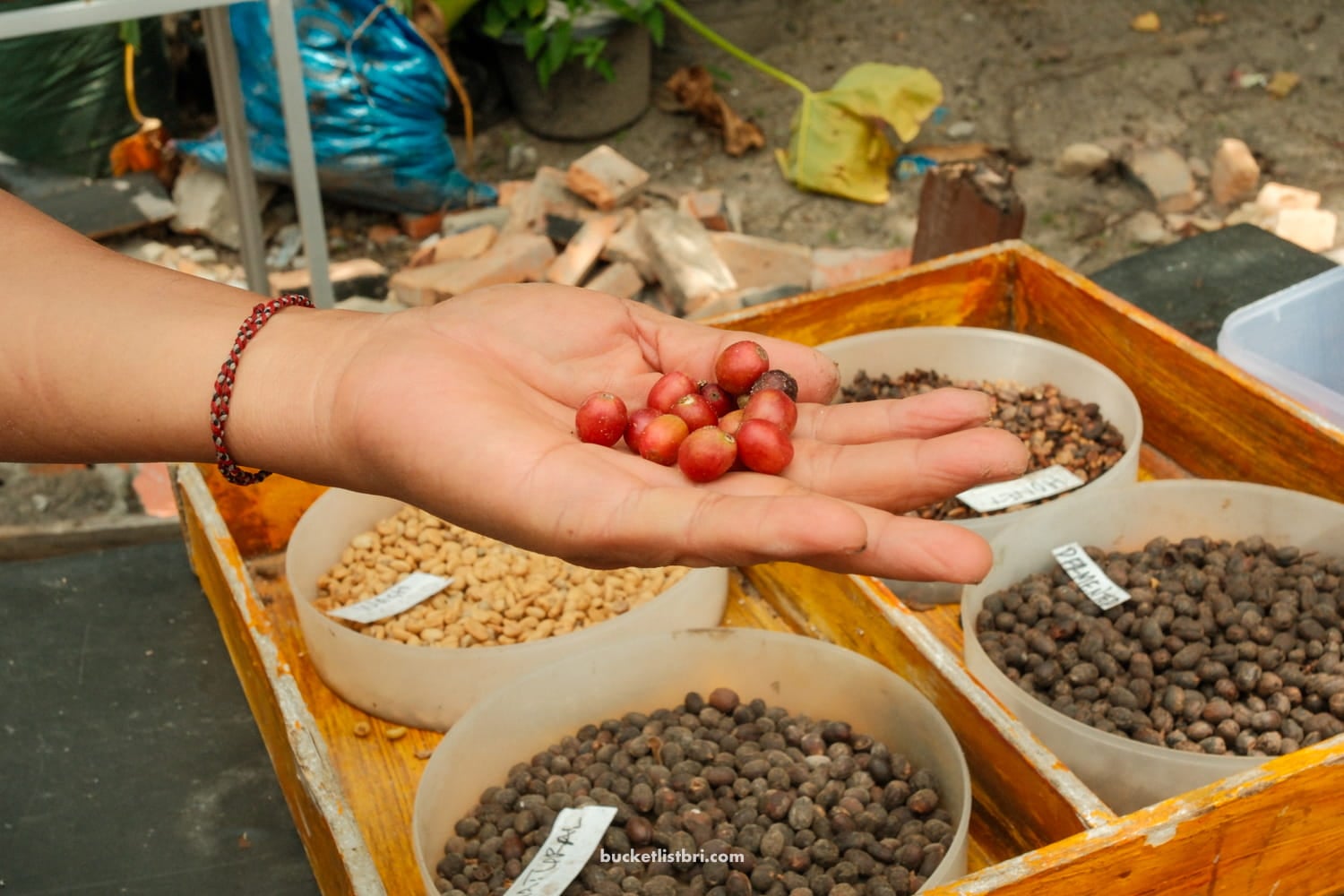
Of course, there are many more things to do on Samosir Island, with more time. For more things to do in Lake Toba, check out this big list of 50+ activities on Agung & Carly’s blog, Exploring Sumatra. But for me — learning about Batak culture, swimming in Lake Toba, and simply road-tripping between cafés and villages are definitely my highlights (plus karaoke). 😜
What I Loved About Samosir Island
Despite not really having more time to explore the rest of the island, Samosir was the perfect “ending” to our 10-day North Sumatra itinerary.
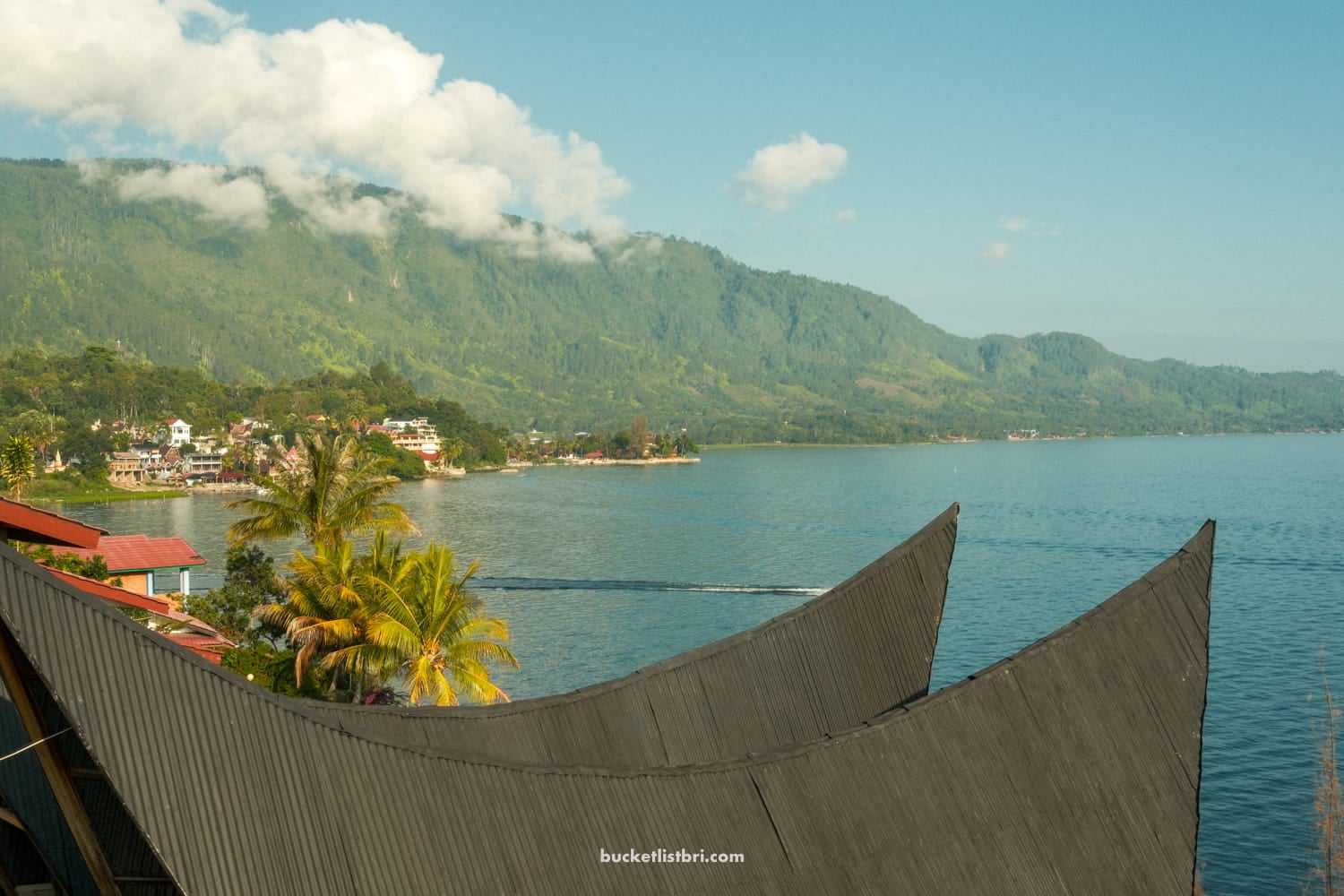
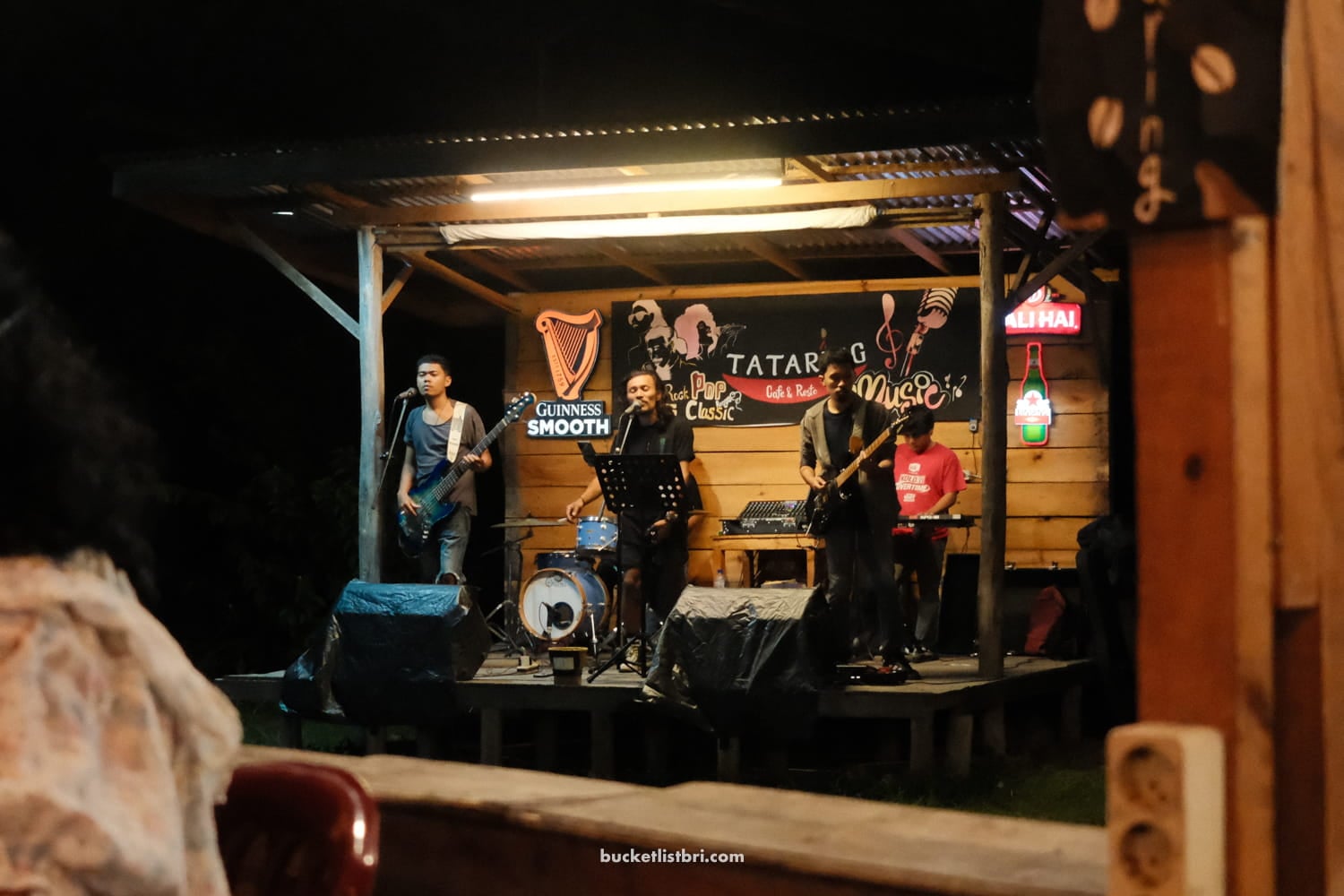
Quiet lake or poolside mornings and evenings spent reading (or singing in bars) create a vacation-like atmosphere. Bukit Lawang and Berestagi? Adventure, for sure. But Lake Toba requires a slower pace to fully appreciate it.
I loved how Lake Toba, and in particular Samosir Island, exuded a sense of wonder. The sheer magnitude of the lake — its history and peoples — feels at the very heart of North Sumatra. And indeed, it geographically is too (I mean, kinda?!).
The only thing I didn’t love about it was the driving! After months in hectic Bali traffic, Sumatra was a whole other level. Just be careful. ‼️ And if your own personal driver starts to get wild behind the wheel, just gently say, hati hati!
Practical Travel Tips for Samosir Island
Best Time to Visit
Our group visited Sumatra in April, and I honestly feel like it was a prime time to explore the country. April is during the shoulder season, meaning you’ve just missed the rainy, wet season. But it’s not dry-hot like June would be (which also marks the start of peak season through September).
How Many Days?
Some might argue you can visit Samosir on a day trip, but I really think that defeats the purpose. Even two nights were quick. But at least it’ll give you a sense of the place and let you check out a few must-see villages on your list.
💡 For an ideal pace, stay for at least 3 nights. And if you want to slow down even further, opt for 4–5.
Getting Around
Your best bet is an organized tour or driver. If you really want to drive on your own, however, and are comfortable with Sumatra’s roads, then you can find a scooter rental on the Tuk Tuk peninsula.
Considering the potential chance for showers, road safety, and just comfort/AC, I’d definitely opt for a car rental, though.
The best option is to hire a private driver from start to finish. Or between major stops. Medan to Bukit Lawang, for example. The price will still be affordable for most tourists.
Cash + ATMs
I pre-withdrew cash in Medan upon arrival at the airport (about 2 million IDR) for my 10-day trip and still didn’t use it all. However, if you’re strapped and need cash, Tuk Tuk Peninsula now has ATMs. Do a quick Google search or head to the Mafir market or the Marianna Resort.
Internet
I downloaded an Indonesian eSIM and had no trouble getting 4G/data on this trip. Wifi was provided at all the hotels and guesthouses and worked with little trouble.
At times, connectivity would fade or weaken during storms, but otherwise, internet access as a traveler in Sumatra was completely fine.
Again, I’d recommend either downloading offline maps or getting an eSIM to cover your data while abroad. No need to change your phone number this way!
Final Takeaway: Is Samosir Island Worth Visiting?
For a better understanding of North Sumatra, its history, culture, and cuisine, I’d say Samosir Island/Lake Toba is a MUST.
It’s got fascinating culture and rituals, plus jaw-dropping viewpoints and landscapes! It may not have the most “to do” in terms of activities, but the slower pace really is what attracts people here in the first place. We met a lot of Sumatrans heading there for the weekend!
So, yeah, totally worth it, and my only regret is not having stayed longer on Samosir Island in Lake Toba.
Until next time, then! Mauliate 🙏 (mauliate means thank you in the Batak Toba language).