
The Perfect 5-Day Tokyo Itinerary: Explore the Best of Old & New Japan
Disclosure: This blog is reader-supported, and some posts contain affiliate links. If you make a booking, I may earn a small commission—at no extra cost to you. Thank you for keeping me writing and doing what I love!
From my experience, five days in Tokyo is the sweet spot for first-timers.
Any less, and you won’t get to cover your bases and knock off the bulk of your bucket list. And any more, well, more days in Tokyo are always a bonus!
Heck, I’ve had the pleasure of spending 5+ months in Tokyo and haven’t even scratched the surface! (Okay, maybe a little!) However, living in Tokyo as a digital nomad and then vacationing for five days there is very different.




With five FULL days in Tokyo to explore from sunrise to sunset (and after dark!), you certainly have a fun, diverse, and thorough itinerary ahead of you.
My proposed itinerary below balances the best popular + offbeat places to visit with top things to do and see in Tokyo during a 5-day trip.
As usual, my itineraries are designed to take you a little deeper, so expect underrated neighborhoods, temples, and shrines, and a few of Tokyo’s hidden gems in this guide.
The Complete Guide: How to Spend 5 Wonderful Days in Tokyo
To make the most of your time in Tokyo, I recommend a few essential tools and apps for navigating the city. You’ll want to book well in advance for tours and hotels if you’re a couple or family.
I managed to book last-minute hostels as a solo traveler in Japan, but adding two or more adults makes booking activities and stays more time-sensitive. I will suggest my favorite stays and experiences below!
📱 Japan eSIM: Install an easy and cheap Japan eSIM to get data on the go—without changing your phone number!
🗺️ Google Maps: I swear by G-Maps. It’s the best way to navigate the metro and train lines in Tokyo and major cities.
🚄 Book your Shinkansen/train tickets on Klook
🚕 GO app: Use the Go taxi app for hailing affordable taxis straight from your phone.
🤝 Meetup: My go-to website for finding social and community events in Tokyo!

Also, have you ever seen the insanity of “sidewalk cyclists” in Tokyo? Whether you spend just one day in Tokyo or one week in other cities, sign up for travel medical insurance to cover your entire trip to Japan.
Now that you have your Tokyo Pass, Japan eSIM, your Google Maps, and your hotels planned, let’s dive into this day-by-day Tokyo itinerary.
Day 1: Old, Edo-era Tokyo Charm & Skytree Views
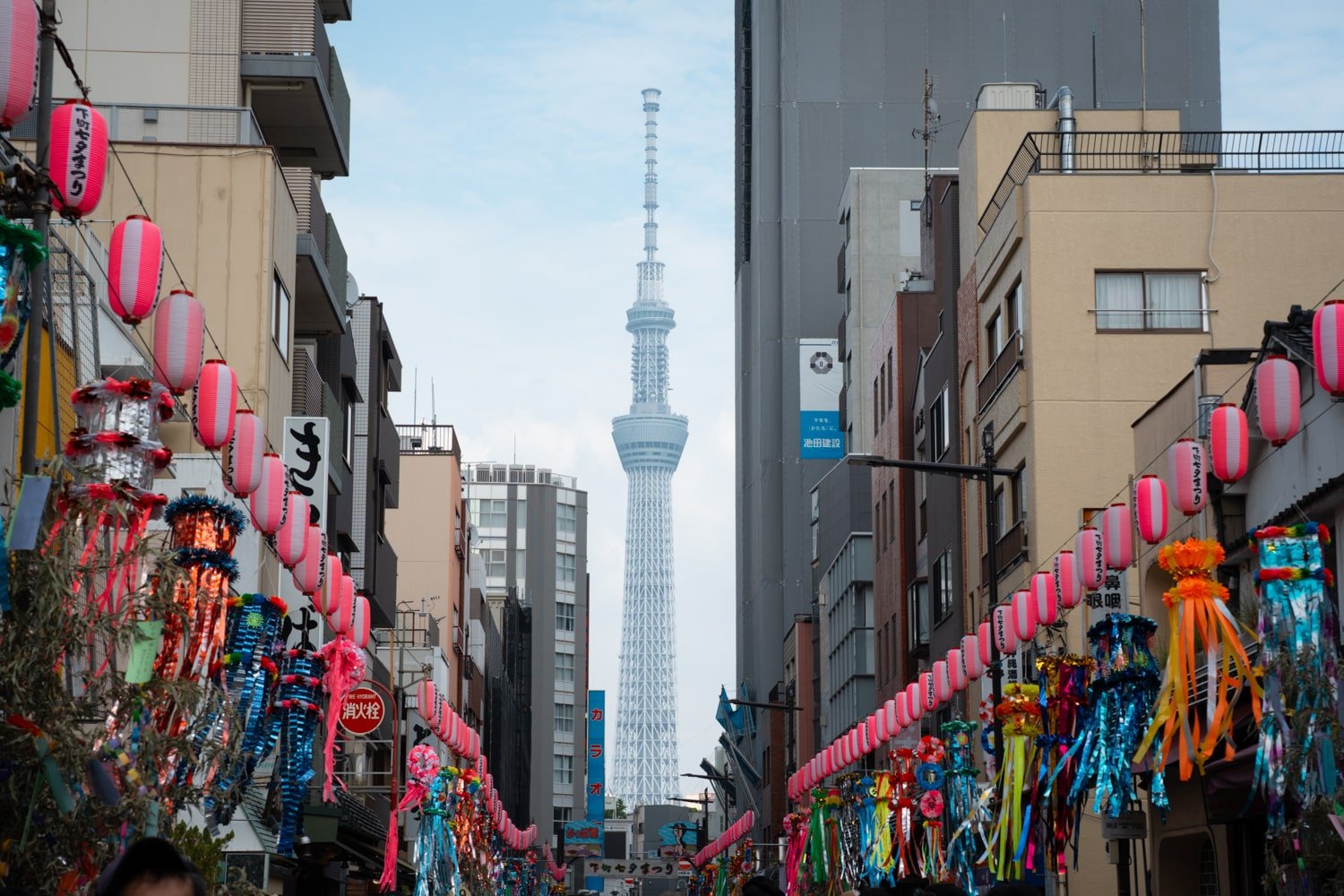
What better way to get acquainted with the biggest city in the world than by immersing in its Edo-era neighborhoods?
I recommend starting any Tokyo itinerary in East Tokyo, specifically in Taito City, where you’ll find “Old Tokyo,” also known as Shitamachi.
However, depending on where you’re staying (read my guide on where to stay for first-timers in Tokyo), you’ll want to be flexible with this itinerary to adjust the days as needed.
There’s no point in starting the day on the other side of the city if your hotel is located in the opposite direction!
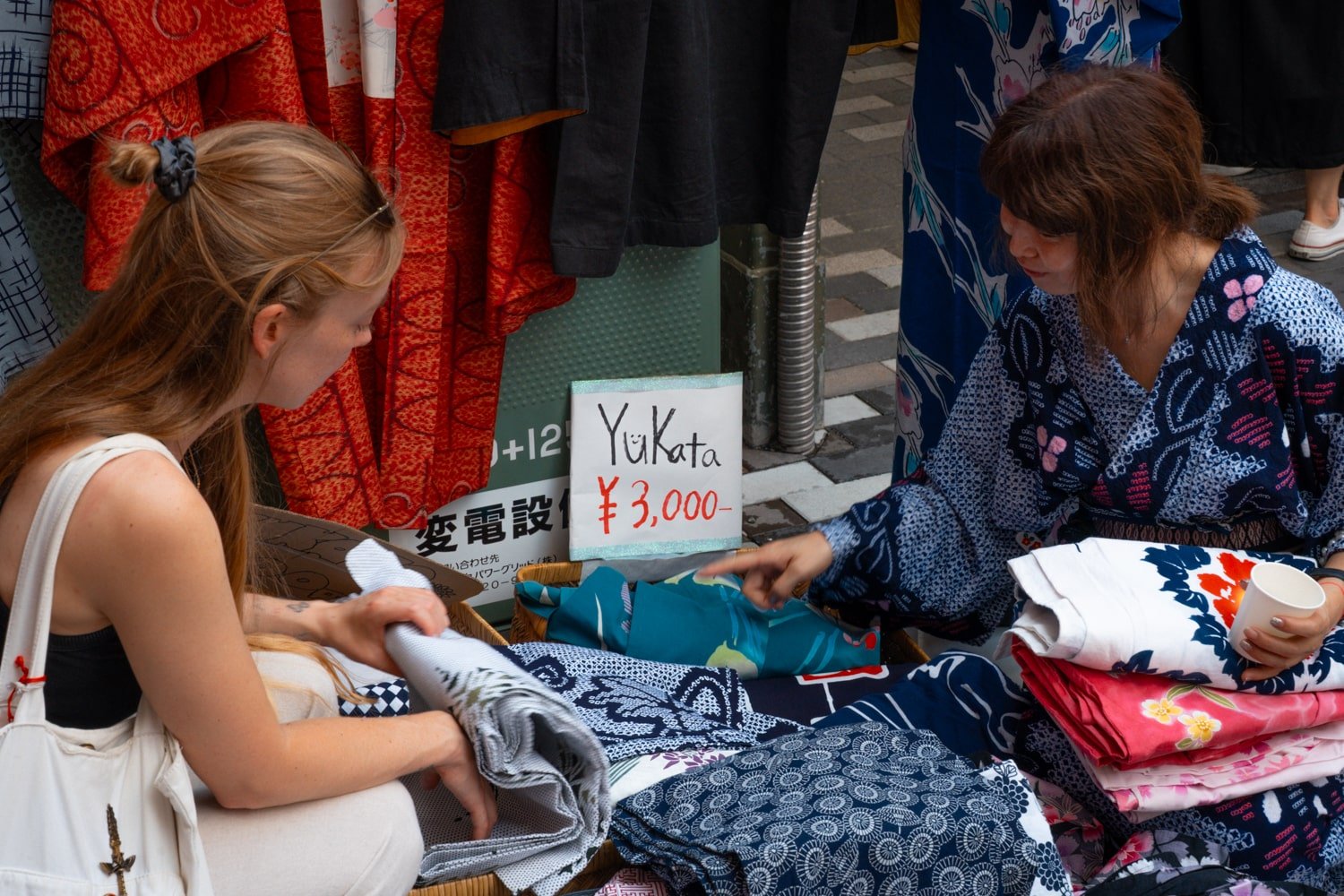
Generally, I recommend staying on the east side of the city.
It’s typically more affordable, and convenient for Narita Airport (Haneda is closer to West/Central Tokyo, though), and it has lots of great, underrated neighborhoods. You can cover the highlights in one day, but it would really require a full day.
- Asakusa — Senso-ji Temple, Nakamise Street, kimono tea ceremony, and more!
- Ueno — Ueno Park, museums, Ameyoko market
- Yanaka — Aka “cat town,” old-town charm, retro bathhouses and coffee shops, and Yanaka Ginza shopping street
- Akihabara — anime and manga epicenter, arcade malls, all things quirky, electronics, video game stores, maid cafes
- (Optional) Tokyo Skytree — Head there for evening skyline views/sunset
Explore Asakusa & Senso-ji Temple

Get an earlyish start (8 am) to see Tokyo’s oldest and most iconic Buddhist Temple, Senso-ji, which you can explore on your own or with a guided walking tour.
Either way, starting early is the best way to beat the crowds. Afterward, you can grab fluffy soufflé pancakes nearby!
Senso-ji is best explored on foot or with a guide, then viewed from above over at the free Asakusa Culture Tourist Welcome Center (just opposite the entrance to Nakamise Street).
Make sure, before you leave the temple grounds, to purchase your first Japanese omamori, which is a lucky amulet! They cost around ¥1000.
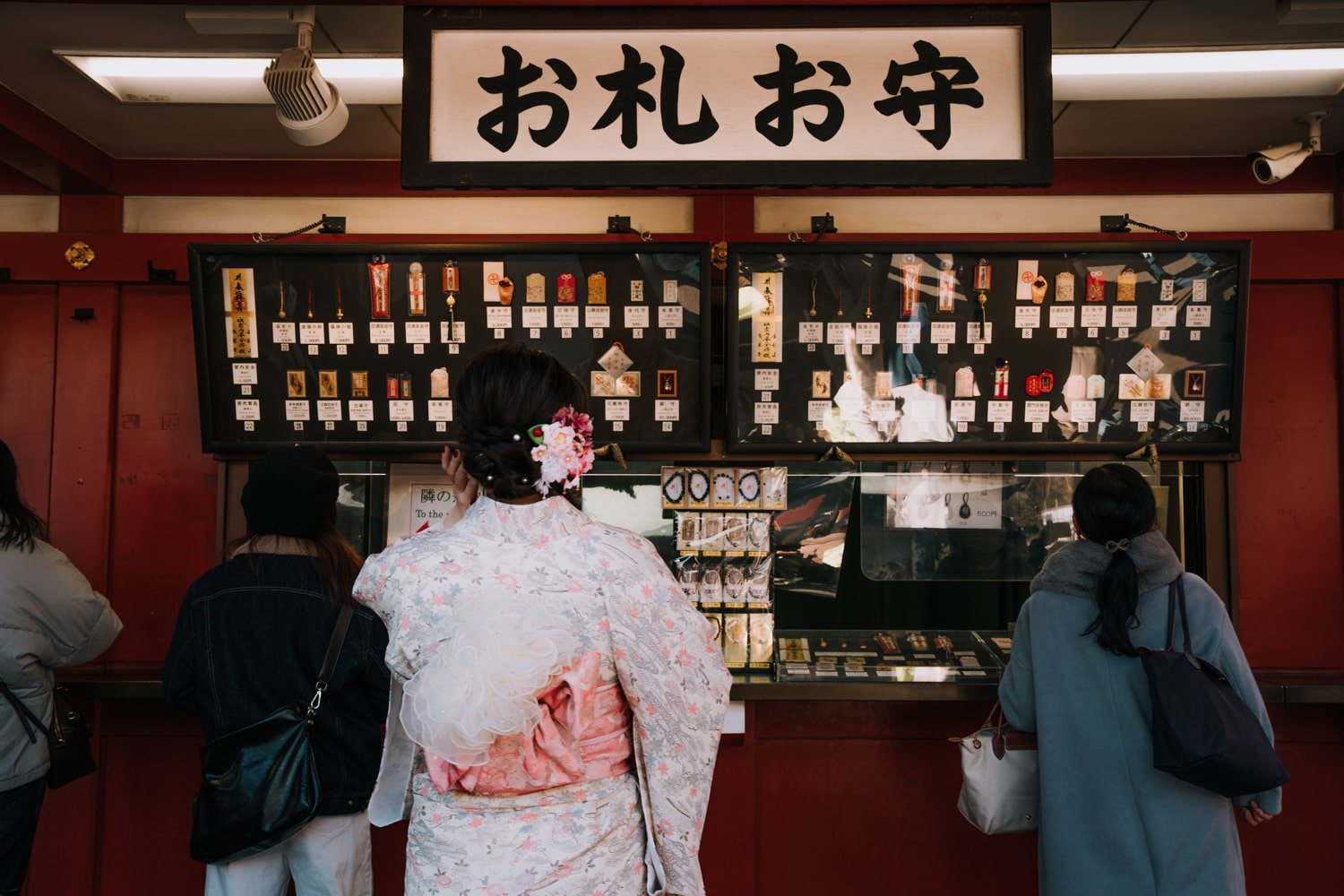

I love wandering around Asakusa without a plan, but in general, you’ll want to head west from Asakusa Station, up through Kaminarimon Gate and Senso-ji, then loop back around.
If you’re looking to purchase Japanese knives and cute kitchenware, head nearby to stroll Kappabashi Street. Alternatively, you could head in the other direction to the Sumida River, where you can enjoy a riverside park and views on Skytree.
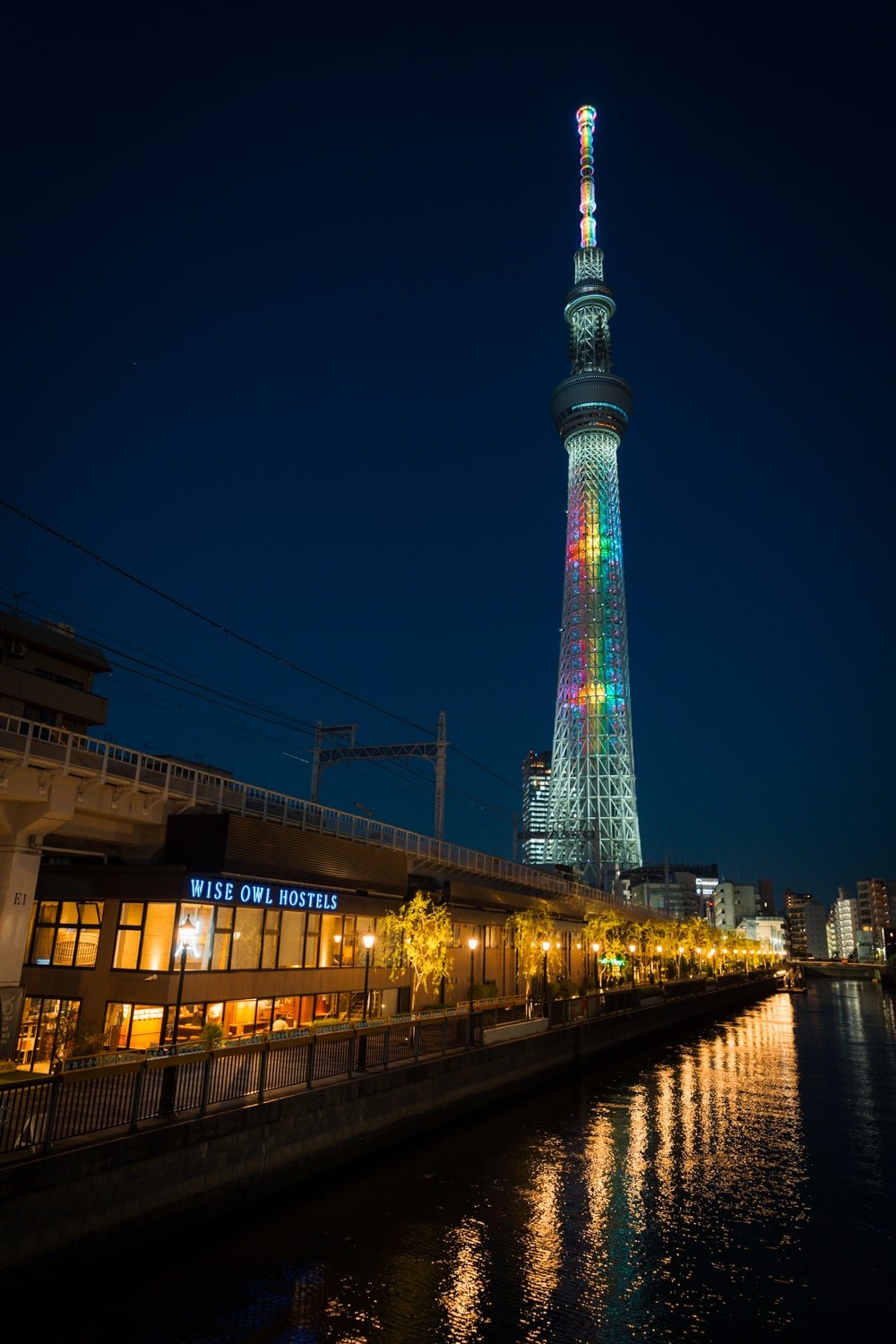
👘 A great cultural activity to do while in Asakusa is the Maikoya Kimono Tea Ceremony, to get an introductory experience of the ancient Japanese art of a tea ceremony in a traditional tea room.
I did a tea ceremony in Kyoto with the same company (Maikoya) and can recommend it for first-timers.
Visit Ueno Park & Eat on Ameyoko Street
Ueno is your next stop if you’re hungry and looking for one of Tokyo’s coolest street food streets. Ameyoko is a bustling street with a wide variety of Japanese food imaginable. You’ve got everything here!
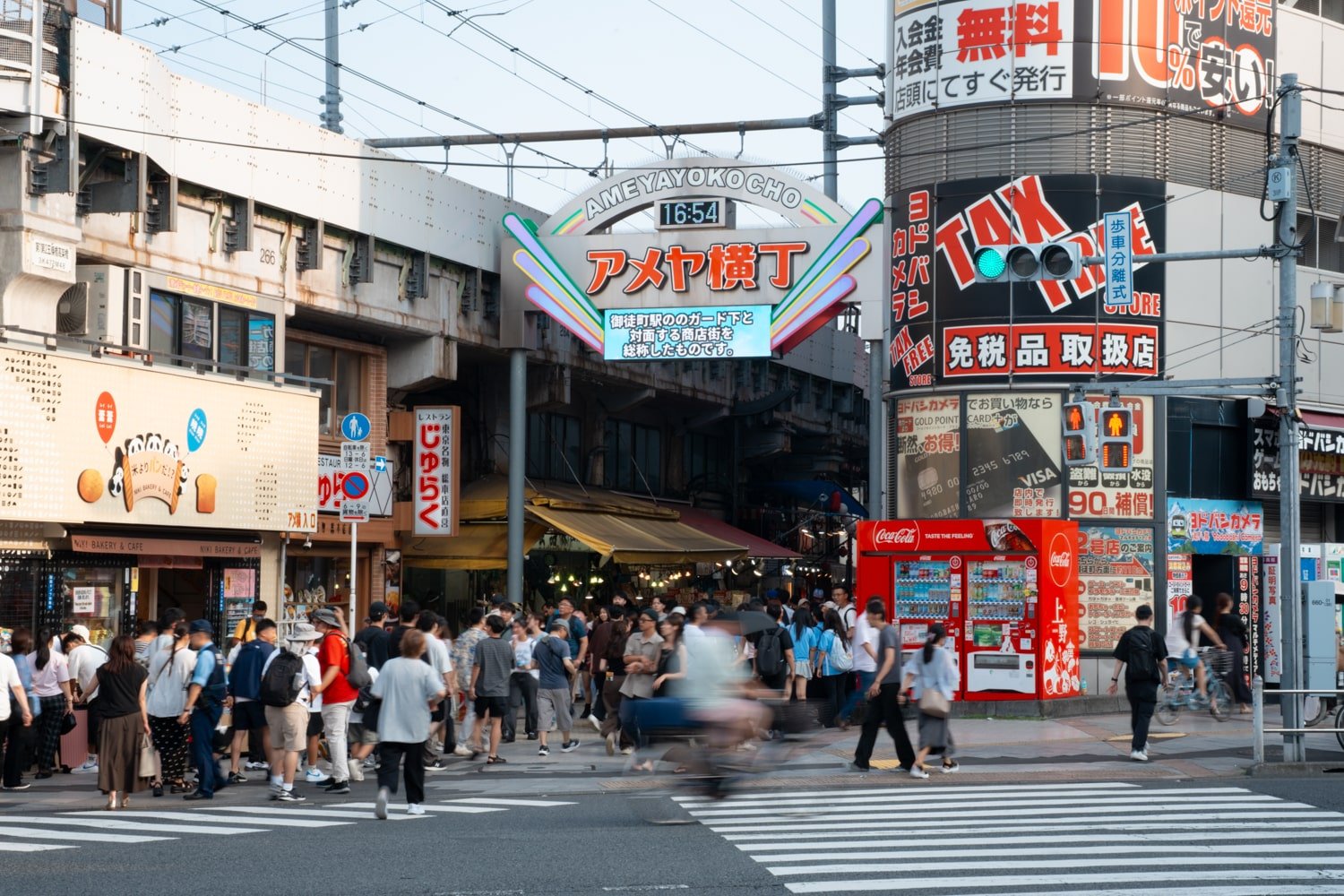
Plus, right outside the Ueno metro station is the start of Ueno Park—Tokyo’s first and largest urban park.
The park is too large to explore in a single day, so I recommend selecting what you’d like to see and then moving on.

If you have good walking shoes and are eager to reach your 20,000 steps, consider walking up through Ueno Park into one of my favorite corners of Tokyo, where you can truly experience the essence of Old Tokyo in Yanaka.
Otherwise, hop in the nearest station or hail a taxi to Yanaka, which sits at the top of Ueno.
Wander Yanaka, Tokyo’s Charming “Cat Town”
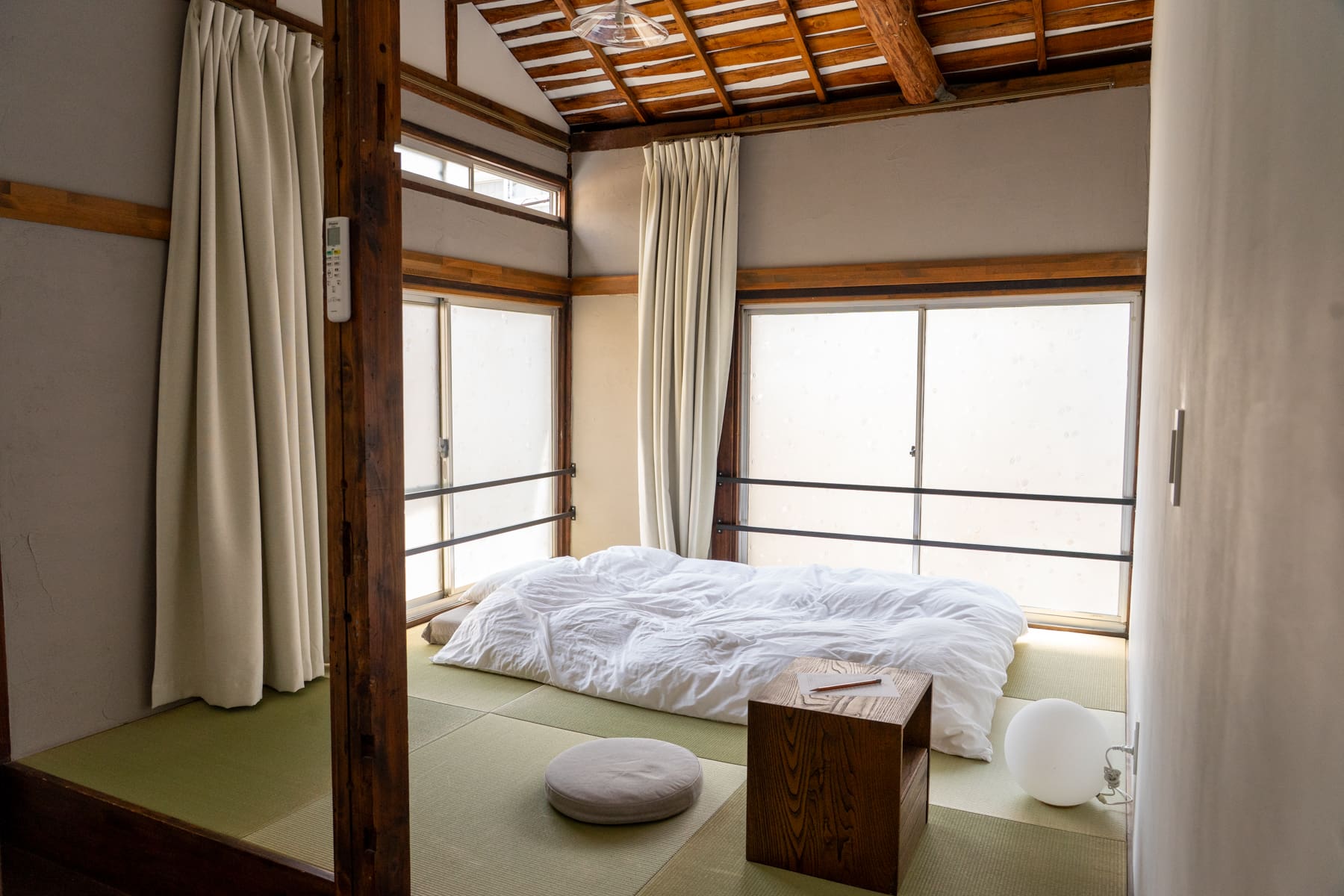
Yanaka is one of my favorite places to visit in Tokyo due to its old, retro vibe. In fact, it’s the very first place I stayed in Tokyo (in the unique hanare hotel).
Yanaka is sometimes nicknamed the Little Kyoto of Tokyo or Tokyo’s Cat Town—as you’ll see why.

It features old Japanese houses, coffee shops known as “kissatens,” converted bathhouses, temples, and shrines, cat-themed shops, and local residents who live slowly and know all the names of the local felines.
It is truly a beautiful and underrated area.
Here, I recommend going slow and wandering at your own pace. If you want to go even deeper, I recommend planning a Yanaka guided walking tour so as not to miss any historical significance or detail!

The Nezu Shrine is particularly beautiful to visit, with Kyoto Fushimi Inari-like crimson torii gates. In spring, the Yanaka Cemetery comes alive with cherry blossoms.
My favorite thing to do is simply enjoy the shops, galleries, and coffee/matcha shops. There is even a converted sento (bathhouse) with mosaic tiling that now functions as a matcha house. (Right? So cute! Find it at Miyano-Yu.)
🌸 There are many things to do in Yanaka, which I wrote about in more detail on my Japan-focused blog; feel free to check it out!
Akihabara Electric Town & Arcade Fun
Akihabara, aka Electric Town, was one of the first Tokyo neighborhoods I wanted to visit on my first 10-day trip to Japan.
Now, after my sixth visit to Tokyo, I still love walking through Akihabara.

If you’re not nerdy or interested in anime/manga, arcades, video games, or electronics in general, then you may want to skip it.
But I really love this otaki culture and atmosphere.
I am not one to line up for maid cafes; instead, I prefer to go level by level in the retro gaming malls and arcades to people-watch. The BIC camera stores and Yodobashi stores here are also fantastic! Tokyo Camera is also nearby, however, not on the main Akiba drag.
It’s fun to try your luck at the claw machines or search for the perfect gachapon keychain!
That said, there’s no right or wrong way to “do” Akhibara, and if you just want to see it and shop a little, it’s easy enough (and close by Ueno) to tuck into your first day.
Otherwise, you can always save it for later and come back to it, as it’s pretty centrally located in Tokyo and accessible on the gray Hibiya Metro Line!
Day 2: Exploring Between Tokyo’s Traditions & Trends
Meiji Shrine & Yoyogi Park
Start your morning early with a walk through the sacred torii gates of Meiji Jingu Shrine, one of Tokyo’s most important Shinto sites, where the souls of Japan’s beloved Emperor Meiji and the Empress are enshrined.
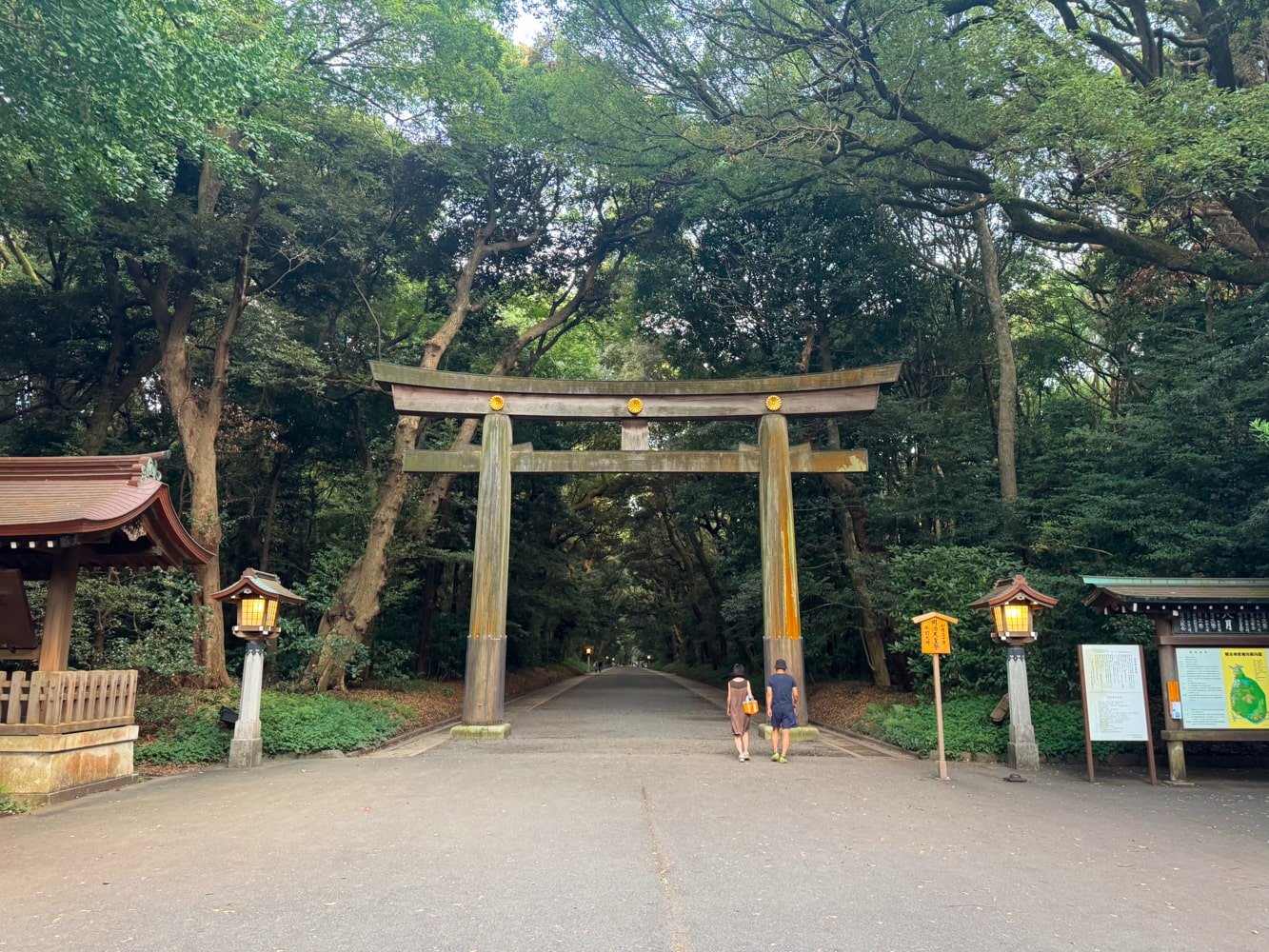
Meiji Jingu Shrine is located right nearby (and even partially within) Yoyogi Park, a giant green space in the heart of Tokyo where locals walk dogs, practice taiko drumming, or picnic under the trees!
You will see a buzz of local life here. And Yoyogi Park often hosts festivals and events, especially in the summer!
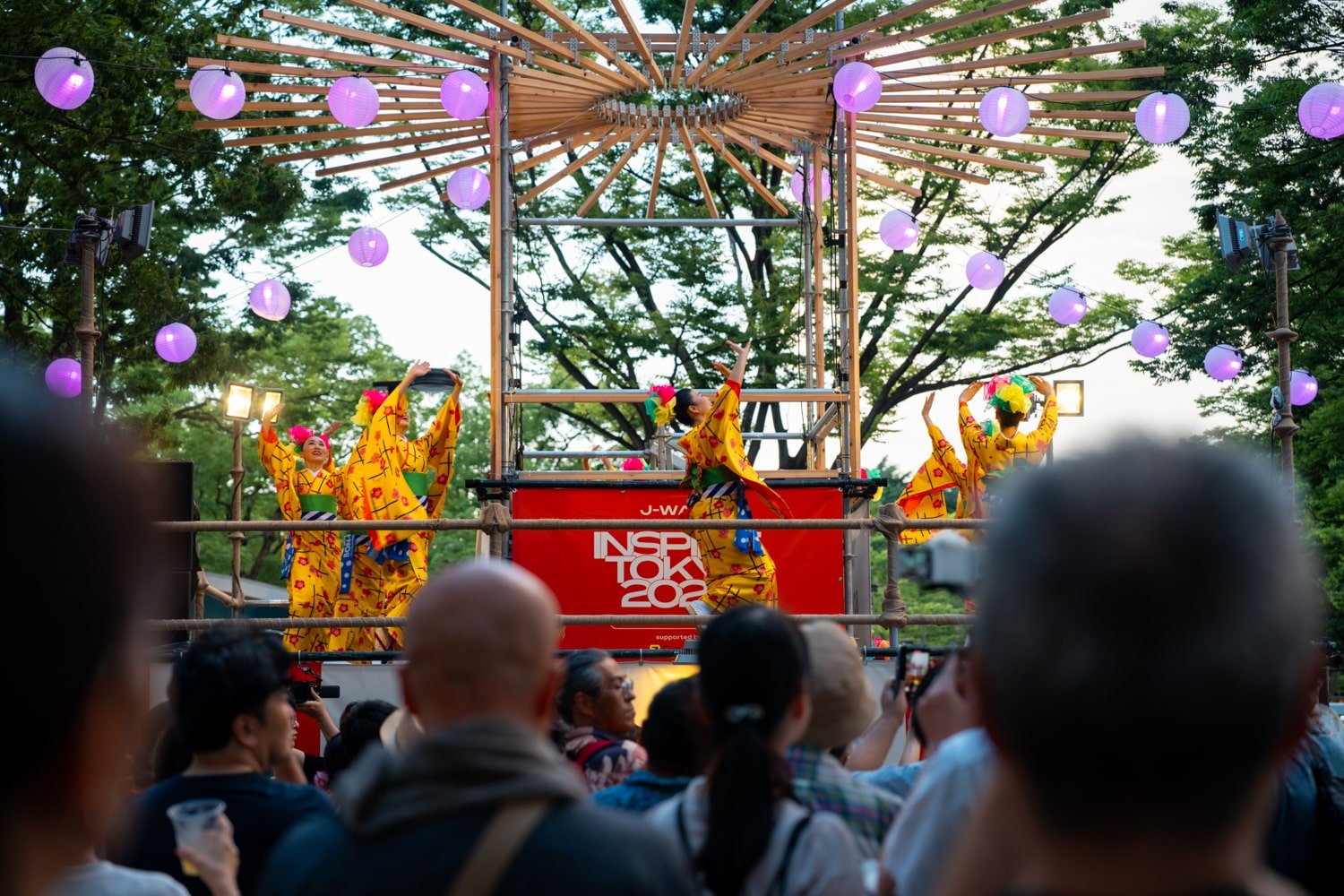
The forested Meiji Shrine makes you forget you’re in the world’s largest city, which is exactly why I love starting the day here or even coming later (around 5pm, when there are fewer crowds before sunset and closing). (Crowds are expected year-round.)
The shops and restaurants around Yoyogi Station are also really cool. We like to walk from Harajuku through Yoyogi Park through Meiji Shrine, up to the Yoyogi Station area!

Brunch & Kintsugi Workshop in Omotesando
From Meiji, you have a few options for food. Exit on the north end and you’ll be near Yoyogi Station, or head back toward Harajuku/Omotesando.
Omotesando is Tokyo’s “Champs-Élysées,” and you can expect crowds (of course), but cool architecture, giant malls with tons of shops, and a maze of streets that connect to Harajuku and Jingumae.
But, be warned! If you don’t have shops in mind that you want to visit, Omotesando can feel quickly overwhelming and overcrowded.
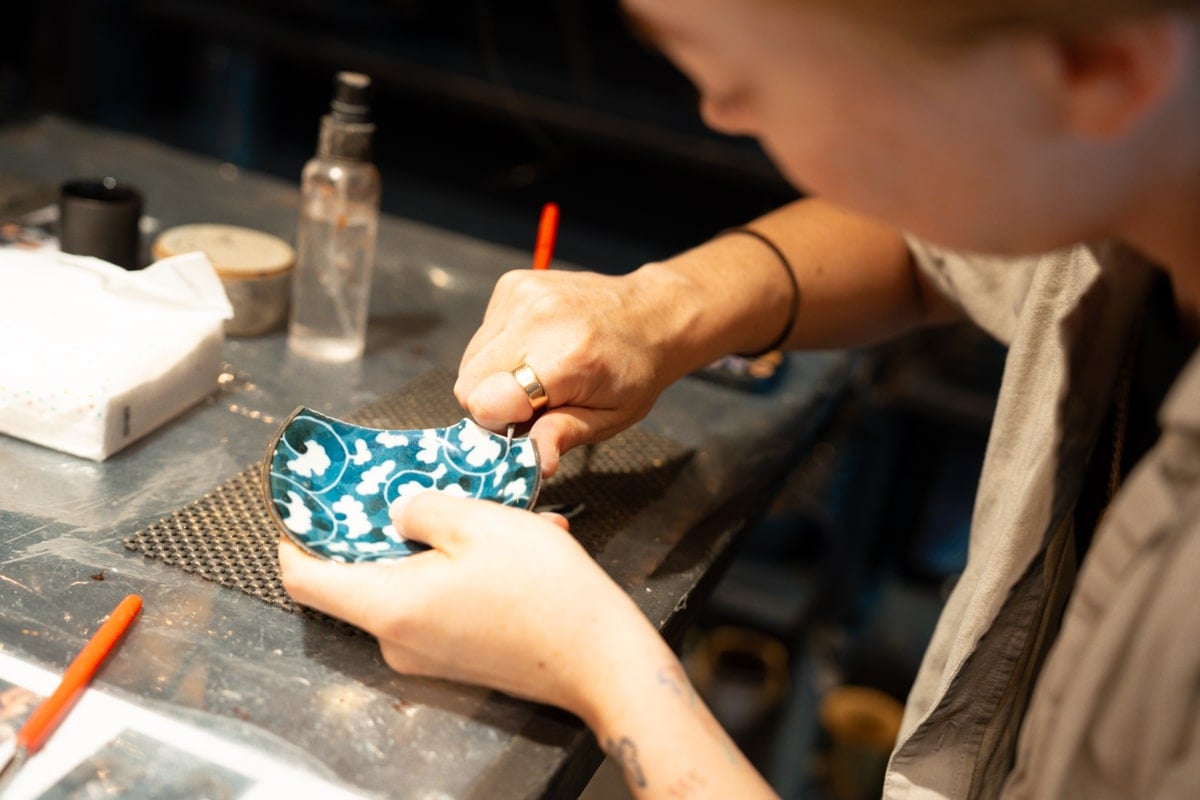
Shopping aside, I recommend booking a Kintsugi Workshop with Master Taku (make sure to book the 11am class). This is a unique cultural workshop to repair broken pottery with powdered gold, known as kintsugi. Maybe you have heard of wabi sabi?
UraHara (Ura-Harajuku): Cat Street, Coffee & Vintage Shops
In the afternoon, dive into the chaos of Harajuku. But instead of just hitting the chaotic and crowded Takeshita Street, go back into the streets tucked into Urahara (Ura-Harajuku) and Jingumae.
Takeshita Street draws crowds for crêpes and cosplay, but I don’t really see much point in lingering here unless you visit during non-peak hours. You’ll be shoulder to shoulder trying to walk down this street.
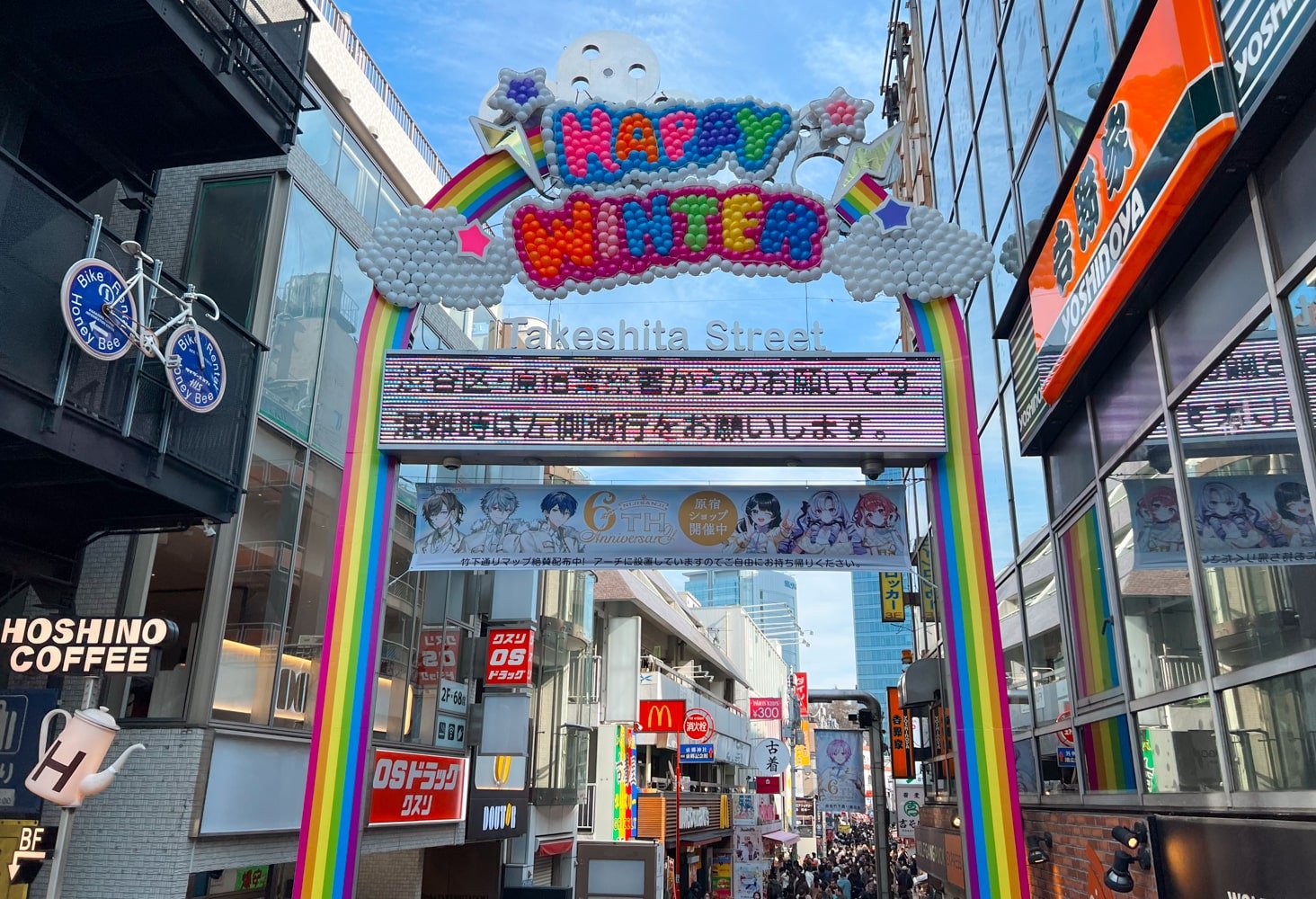
Instead, I prefer meandering through the pedestrian-only Cat Street, which connects Omotesando Boulevard and Shibuya. There are TONS of second-hand stores and things to do, like visiting the quirky Watarium Musuem.
You can find everything from pig cafes to vintage shops, as well as eyewear, toys, and specialty coffee (plus, monster-hand coffee and rainbow grilled cheese). I think many people miss out on the UraHara area; it’s much cooler, a couple of streets back from Takeshita.
If you’re a lover of design and youth subcultures, you could spend hours just people-watching here. UraHara is fun for that, but it’s not the only place you’ll find quirky and weird in Tokyo!
Evening Chaos in Shibuya
Since Cat Street leads to Shibuya, you can easily walk the length of the half-mile Cat Street to reach Shibuya Station.
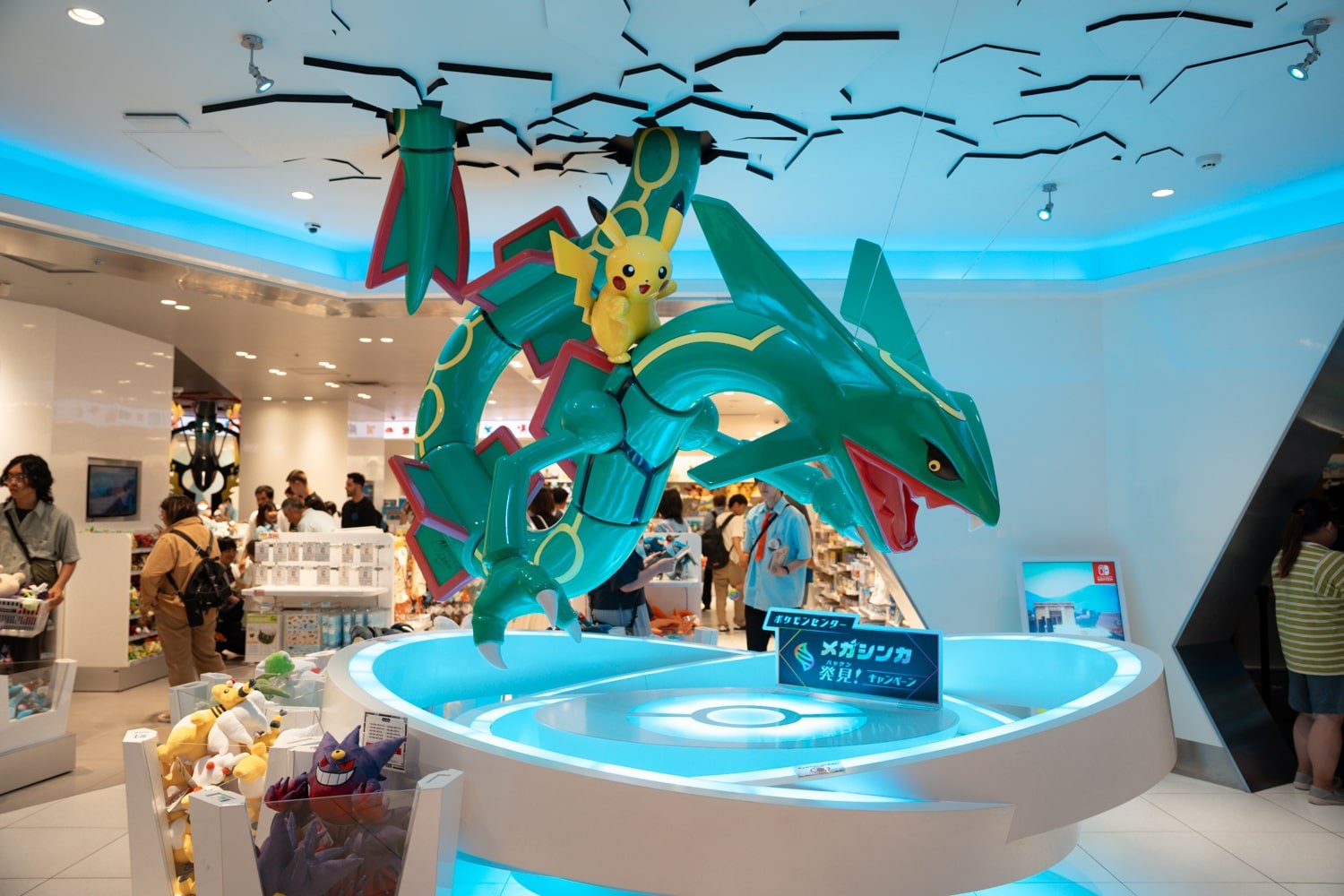
There, you can visit the Hachiko Statue, Shibuya Scramble Crossing, Parco building (aka Nintendo Toyko and Pokémon Center, plus other shops like Tower Records), and more.


Basically, if you want to throw yourself into the chaos, just cross the Scramble and go under the arch into Shibuya Center Gai, a narrow neon-lit street where you’ll find hundreds of izakayas and dozens of crazy-looking stores, gachapon centers, arcades, and loads more.
Then top off the day/evening with a visit to the sky!
They say no Tokyo trip is complete without witnessing Shibuya Scramble Crossing from above, too! You can book your sunset slot at Shibuya Sky (ideally a week or two in advance), and arrive early enough to soak up the 360° panoramic views as the city lights come on.

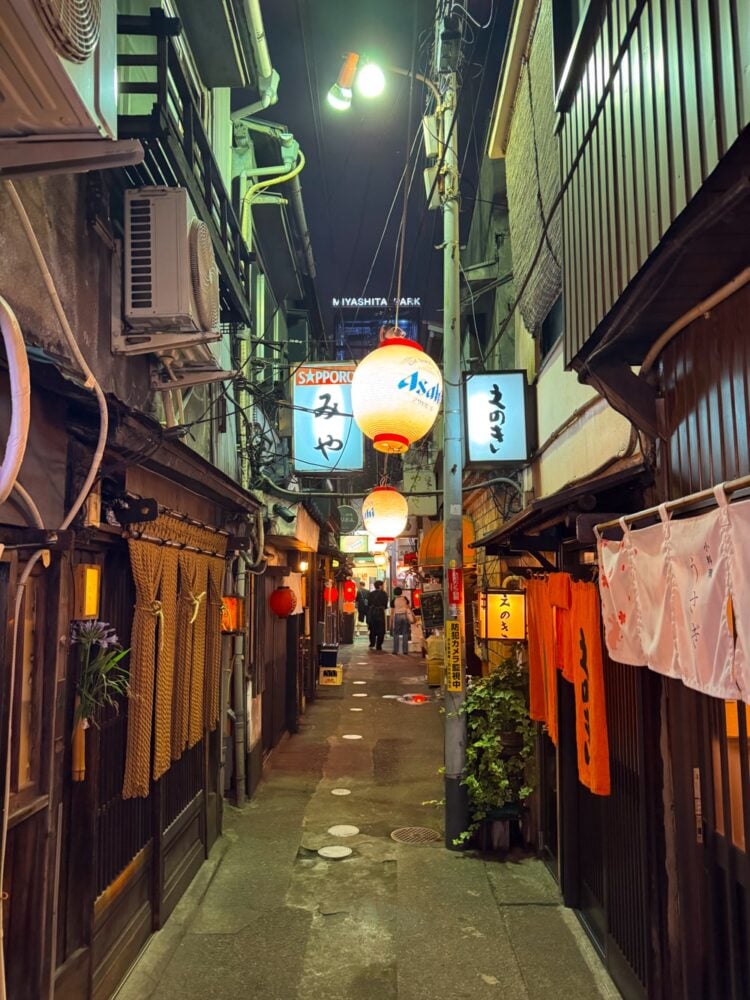
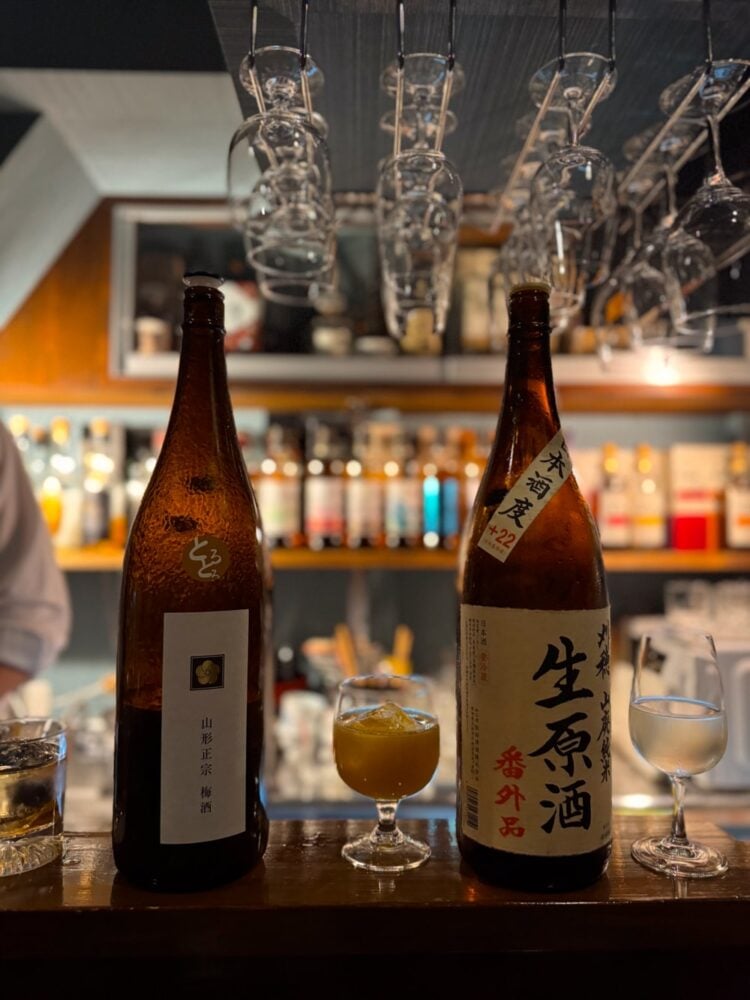
Afterward, join a guided food tour in Shibuya or check out the nearby Miyashita Park or Nonbei Yokocho (the Shibuya version of Omoide Yokocho in Shinjuku) for a memorable last stop of the day for dinner and drinks with locals.
If you dare, you might also wander into the “love hotel” district of Shibuya, known as Dogenzaka! They have some pretty bizarre love hotels that you can even book with friends to see the inside. I’ll leave it at that!
Day 3: Tokyo’s Vintage, Artsy, & Bohemia Vibes

Brunch + Vintage Markets in Shimokitazawa
I love starting mornings in Shimokitazawa (Shimokita), one of Tokyo’s coolest and quirkiest neighborhoods. This area really reminds me of Amerikamura in Osaka.
Known for its relaxed, bohemian vibe, Shimokita is filled with vintage stores, record shops, live music venues, cafes, and brunch spots. It’s where the “cool,” fashionable youth go.
I recommend exploring Shimokita’s streets after breakfast to experience the indie culture and see how it compares to traditional Tokyo!
Stop by Bear Pond for coffee, and don’t miss New York Joe Exchange, a vintage clothing shop housed in a former bathhouse!
I also love Brooklyn Roasting’s location in Shimokita. We used to go all the time to the Osaka location!
Plus, if you visit on a Sunday, you’ll find an outdoor secondhand market held on the main plaza.
Visit the Cat Temple (Gotokuji) + Setagaya Neighborhood
After Shimokita, hop on the Odakyu Line to Gotokuji Station and walk 15 minutes to reach the famous Gotokuji Temple, the birthplace of the “maneki-neko” (beckoning cat)!
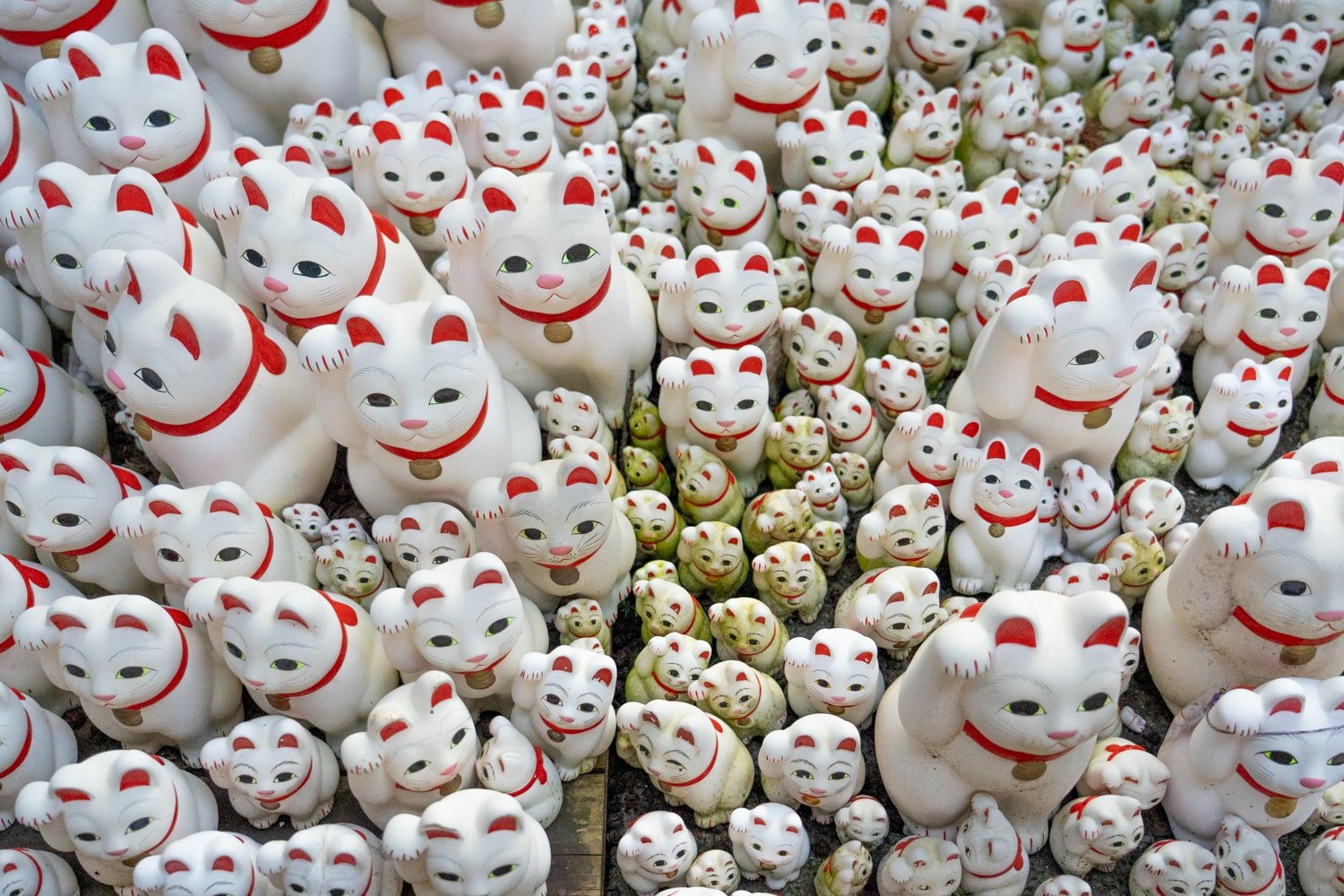
PS If you want to buy an omamori amulet here, note the temple office closes at 3pm.
Gotokuji is mainly a residential area, but it’s full of charm!
It feels more like a village in the countryside rather than a temple in Tokyo. The highlight here is really walking through the temple’s grounds and admiring the hundreds of ceramic maneki-neko left as offerings.
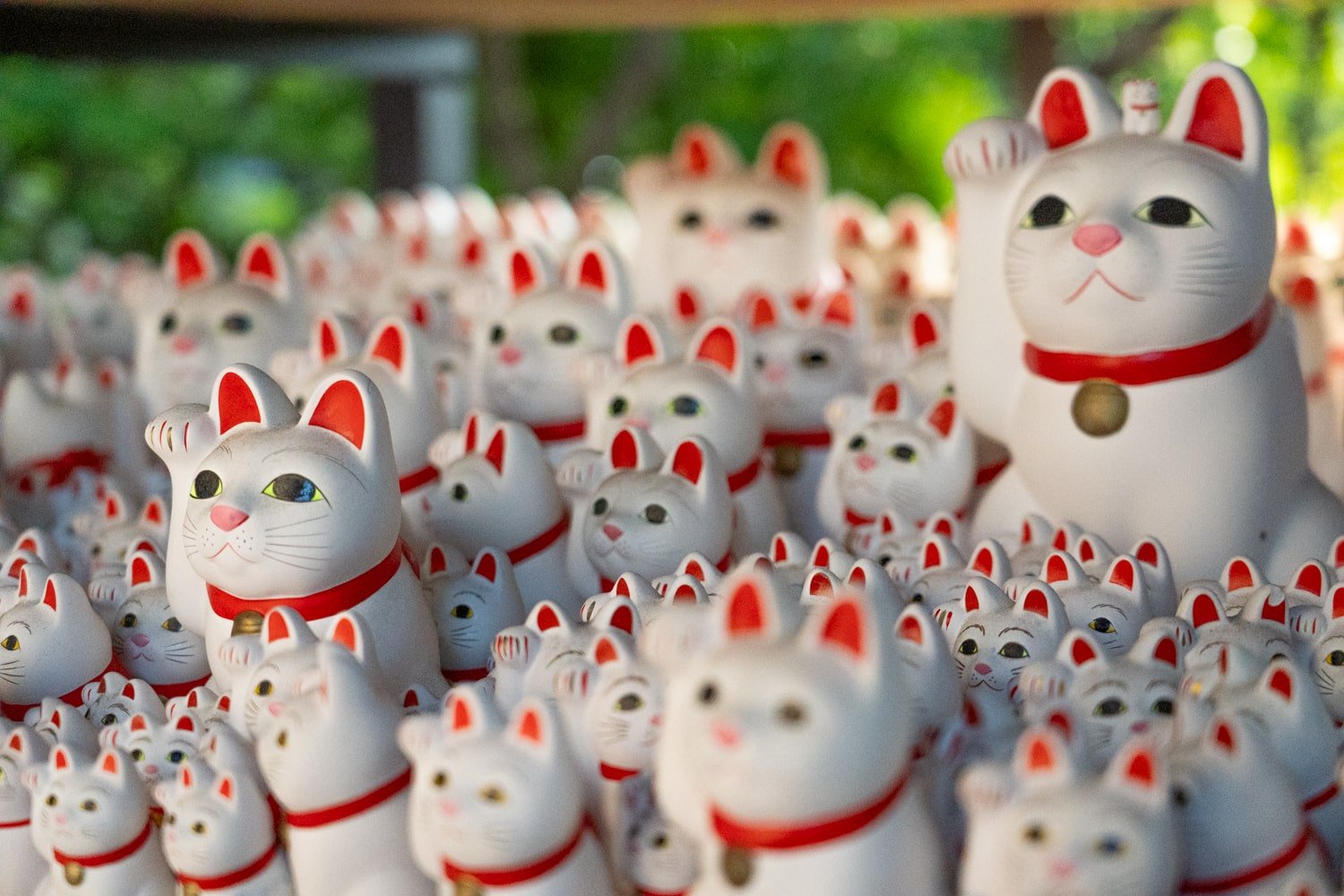
I’d encourage you to take the time to explore around Gotokuji Station and further beyond in Setagaya as well. It has beautiful residential streets and a quieter pace, so please be respectful!
If you’re visiting Tokyo in winter, you can heat up at the Tsurunoyu bathhouse right near Gotokuji Station. In summer, I’d walk through Hanegi Park or get a drink at a neighborhood cafe like Iron Coffee.
Neon Nights in Shinjuku (or Koenji)
In the evening, head to Shinjuku for a total 360 into another one of Tokyo’s nightlife hubs.
Start by walking through Omoide Yokocho (but only if you haven’t done Shibuya’s Yokocho yet—otherwise, no real need!).
Unlike Ebisu Yokocho or other offbeat food alleys, I wouldn’t recommend eating in Omoide “Memory Lane” unless you’re on a food tour. It’s no longer a true local hangout—and hasn’t been for a while. Alternatively, check out Sankaku Chitai, a retro yokocho alley near Nakano that still has a more underground feel.
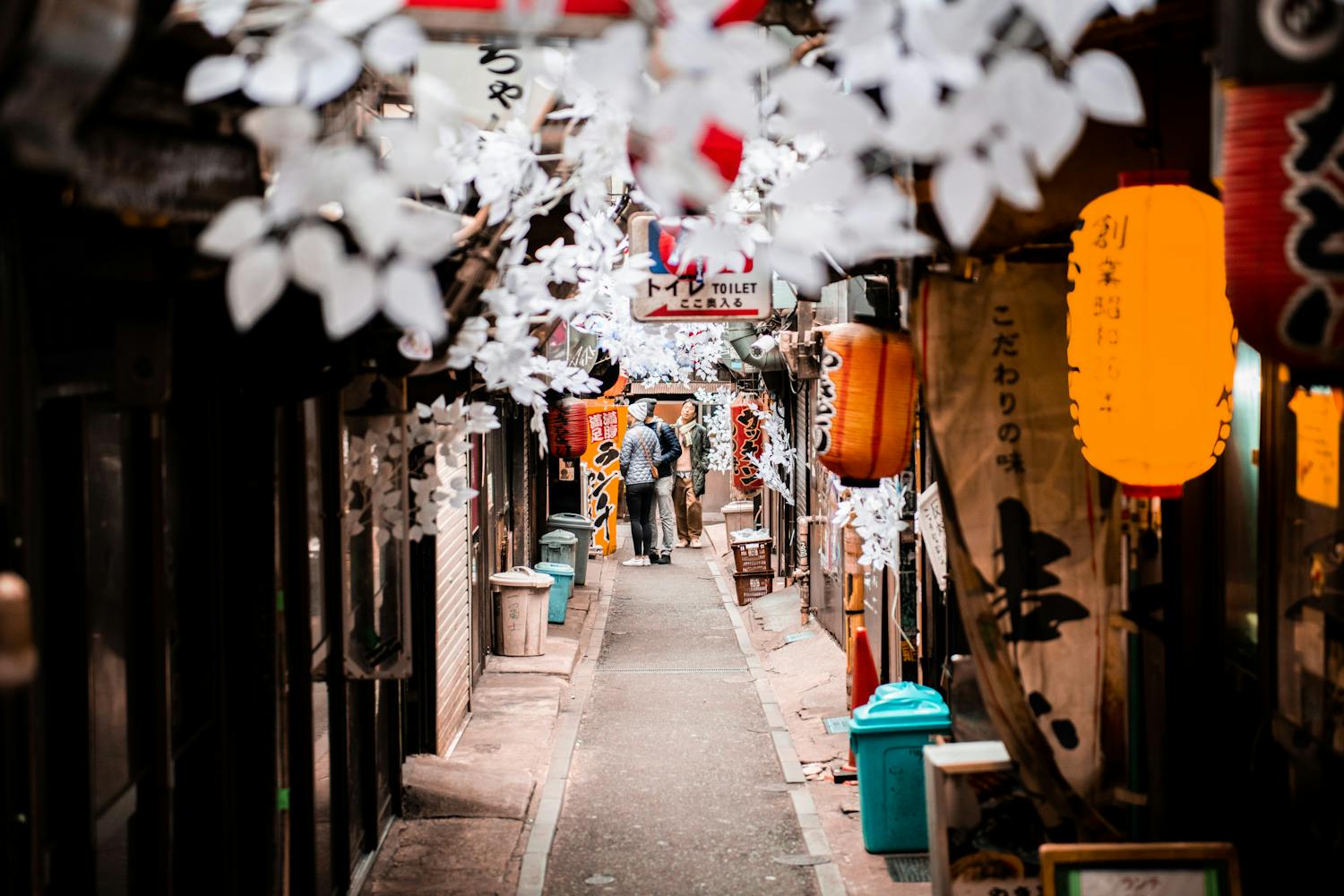
Since most first-timers to Tokyo still want to see Omoide Yokocho, you can walk through after exiting Shinjuku Station on your way to the 3D billboard screen to see the famous Shinjuku Cat, and the Godzilla head atop Hotel Gracery, before dipping into Kabukicho (Tokyo’s red-light district).
If you didn’t make it to Shibuya Sky for panoramic city views, you can also head up the Tokyo Metropolitan Government Building in Shinjuku, which offers free observation decks with skyline views.
Shinjuku is massive, chaotic, and colorful, so I only go here with intention (like to hit some baseballs at the batting cages).
During the day, I like to visit the Shinjuku-Gyoen Garden (which is available in the Tokyo Pass). But, of course, Shinjuku is better known for its nightlife. And, yes, it DOES have a different vibe to Shibuya entirely.
So, you have a few options for a night out in Shinjuku: Bar-hop your way through Golden Gai, a maze of tiny bars, or go take the road less traveled. If you do, I highly recommend heading to Koenji.

Just a few stops west of Shinjuku on the JR Chuo Line, Koenji is Tokyo’s vintage rock n’ roll neighborhood and “punk capital.”
It’s becoming popular for its second-hand clothing shops, underground live houses, vinyl record stores, and izakayas. If you visit during the day, you’ll have plenty of shopping opportunities (check out Look Shopping Street).
Then by night, you’ll discover an alternative side of Tokyo nightlife in one of Koenji’s tiny bars or basement music venues. It’s far less touristy than Shinjuku downtown. The bar we ended up in Koenji (Bar Watashi) had an upstairs sofa for four people max and no menu—just a mixologist who knows her craft! Highly recommend going off the beaten path for nightlife in Tokyo.
Day 4: Uncovering Local Tokyo in Daikanyama, Nakameguro & Ebisu
Morning in Daikanyama: Tokyo’s Trendiest Neighborhood
I love this little triangle in Tokyo, which connects the underrated neighborhoods of Daikanyama, Nakameguro, and Ebisu.
Start your day in Daikanyama. This is one of Tokyo’s most stylish and upscale neighborhoods, and as such, is often compared to New York’s Brooklyn or Paris’s Le Marais. It’s laidback but chic!
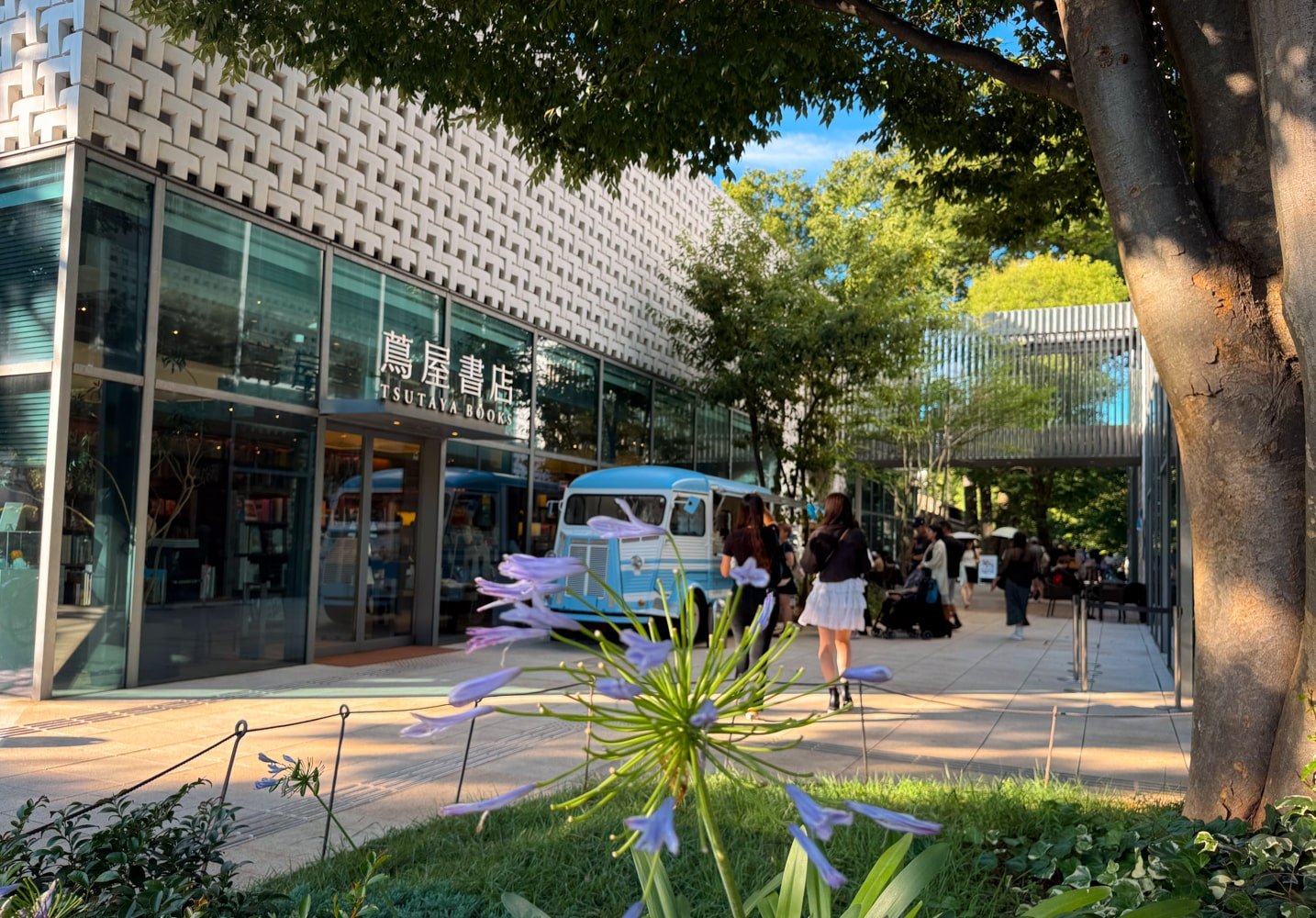
Your first stop should be T-Site, aka the Daikanyama Tsutaya Bookstore. This Tsutaya location is housed in a beautiful building with spacious rooms and an upstairs bar/restaurant that feels like Lara Croft’s mansion. Inside, you’ll also find international magazines, design books, a music lounge, and… a Starbucks that doesn’t feel like a Starbucks lol.
Next, walk around Kyu-Yamate Dori (street), stopping by shops, bakeries (try King George for sandwiches or Ivy Place for brunch), and quiet plazas. You could easily spend a slow half-day just enjoying Daikanyama’s chic charm.
We love visiting little downtown Daikanyama (near the park) and going for drinks at the Spring Valley Brewery! There’s a ton of little places to discover here for tea, coffee, brunch, gelato… you name it!
Canal Walks & Coffee in Nakameguro
From Daikanyama, it’s a 10-minute stroll down the hill into Nakameguro, a neighborhood you might have heard of before thanks to its famous cherry blossom-lined canal. We stayed near here, in the waves nakameguro hostel, during winter.

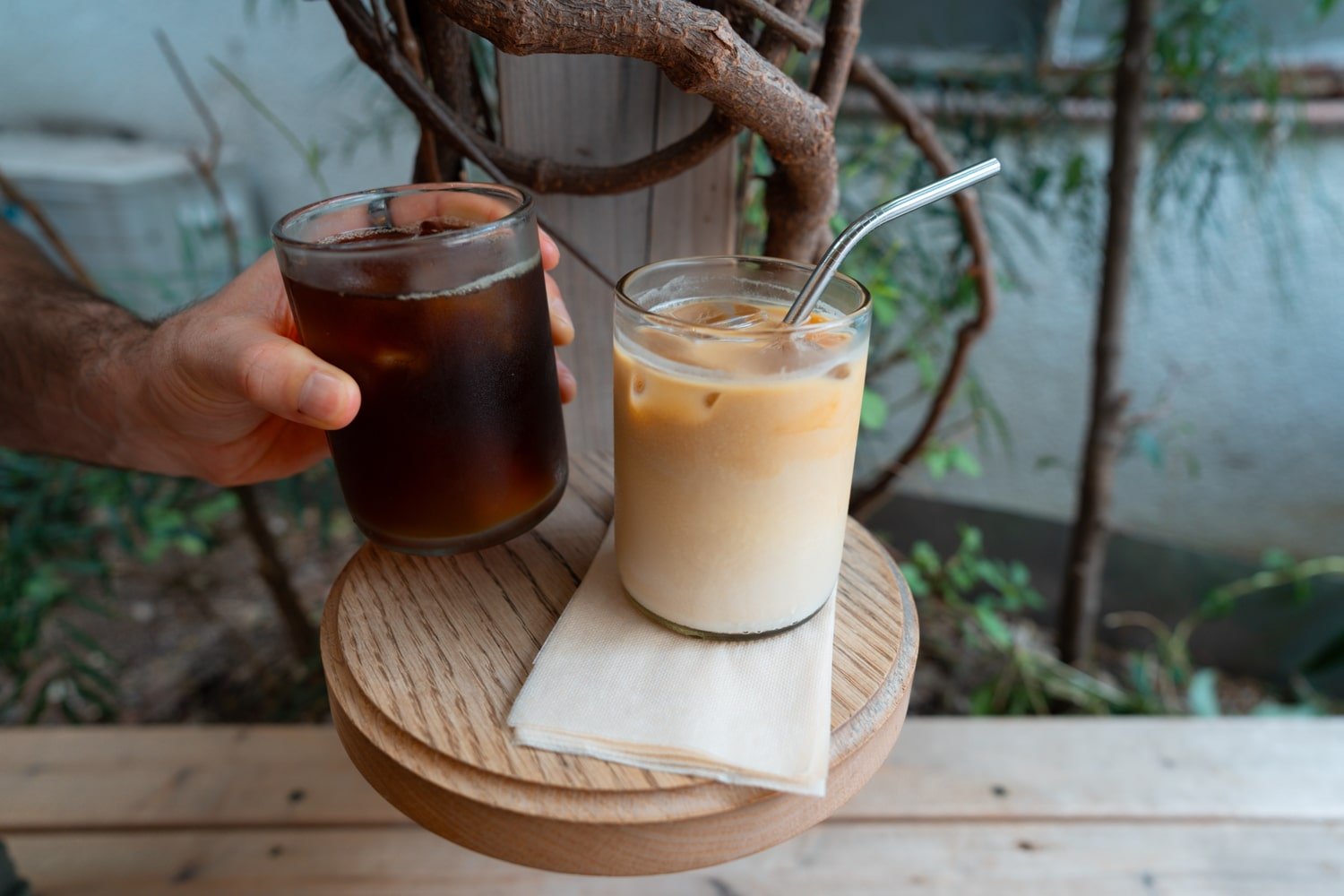
During that time, we slowly ate our way around Nakameguro, tucking into soba, ramen, and more!
But even outside of sakura season, Nakameguro is an underrated place to visit in Tokyo and, outside of cherry blossoms, often gets skipped on most itineraries.
Wander along the Meguro River, popping into coffee shops, minimalist stores, and clothing boutiques.
For when a caffeine crisis hits, head to Onibus Coffee Nakameguro for their light roast lattes. Their famous location is tucked beside the train tracks! For dinner, we loved reminiscing about our time in Mexico at the Taco Fanático bar.
Izakayas & Pubs in Ebisu
Cap off your day in Ebisu, just one train stop from Nakameguro or a 20-minute walk if you’re up for it!
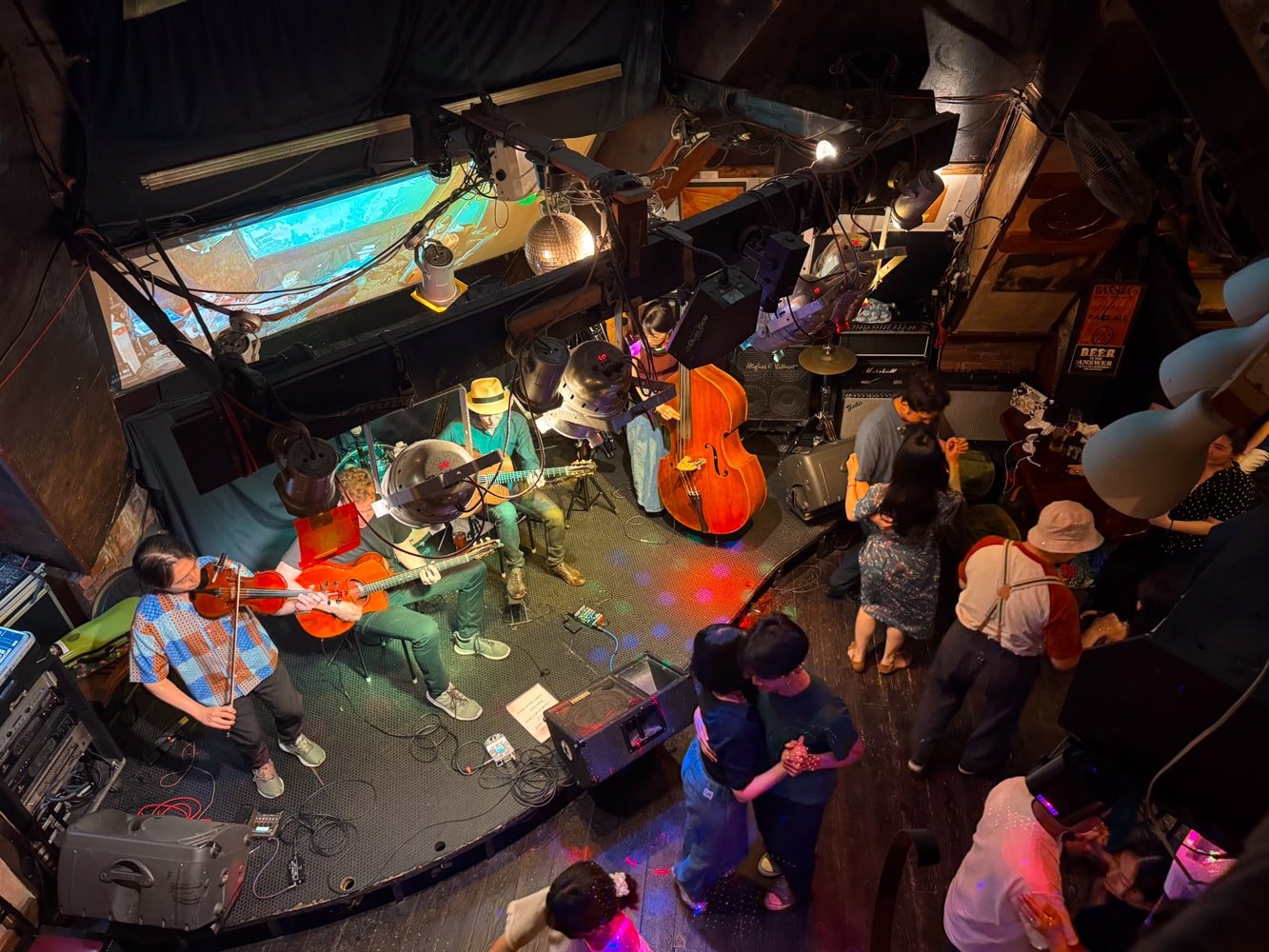
Ebisu is one of my personal favorite places to eat out in Tokyo. It’s got that blend of modern Tokyo and old-school charm at the same time.
The local place to eat here is Ebisu Yokocho. Unlike the tourist-heavy Shinjuku or Shibuya yokocho scenes, Ebisu Yokocho still feels local.
If you’re not up for crowds, check out one of the many izakayas in the area, or find a craft beer taproom nearby like Yebisu Beer Hall (the area was originally home to the Yebisu Brewery!).
There’s also the Liquid Room for live music, What the Dickens! English pub where you’ll find comedy shows, Django-jazz nights, and more.
Day 5: Exploring Tokyo’s Heart — Ginza, Tokyo Tower, & teamLabs

Morning at Hamarikyu Gardens
For your last day in Tokyo, I recommend checking off everything you want to do in the center. You’ve seen the east, the west, the offbeat neighborhoods, and now it’s time to depart with Tokyo’s core uncovered.
Hamarikyu Gardens is an Edo-period garden at the edge of central Tokyo.
It was once feudal grounds, but now it is a beautiful, expansive green space. You’ll walk over bridges, see seasonal blooms, and find two teahouses on the pond, where you can enjoy a traditional bowl of matcha and wagashi (Japanese sweets).
This is the perfect place to reflect on your trip before diving back into the city for a final sweep through Tokyo!
Shopping & Culture in Ginza
From Hamarikyu, it’s a short walk or one metro stop to Ginza, Tokyo’s upscale design district.
You don’t have to spend a dime to enjoy Ginza. Instead, window shopping and browsing through massive flagship stores is half the fun.
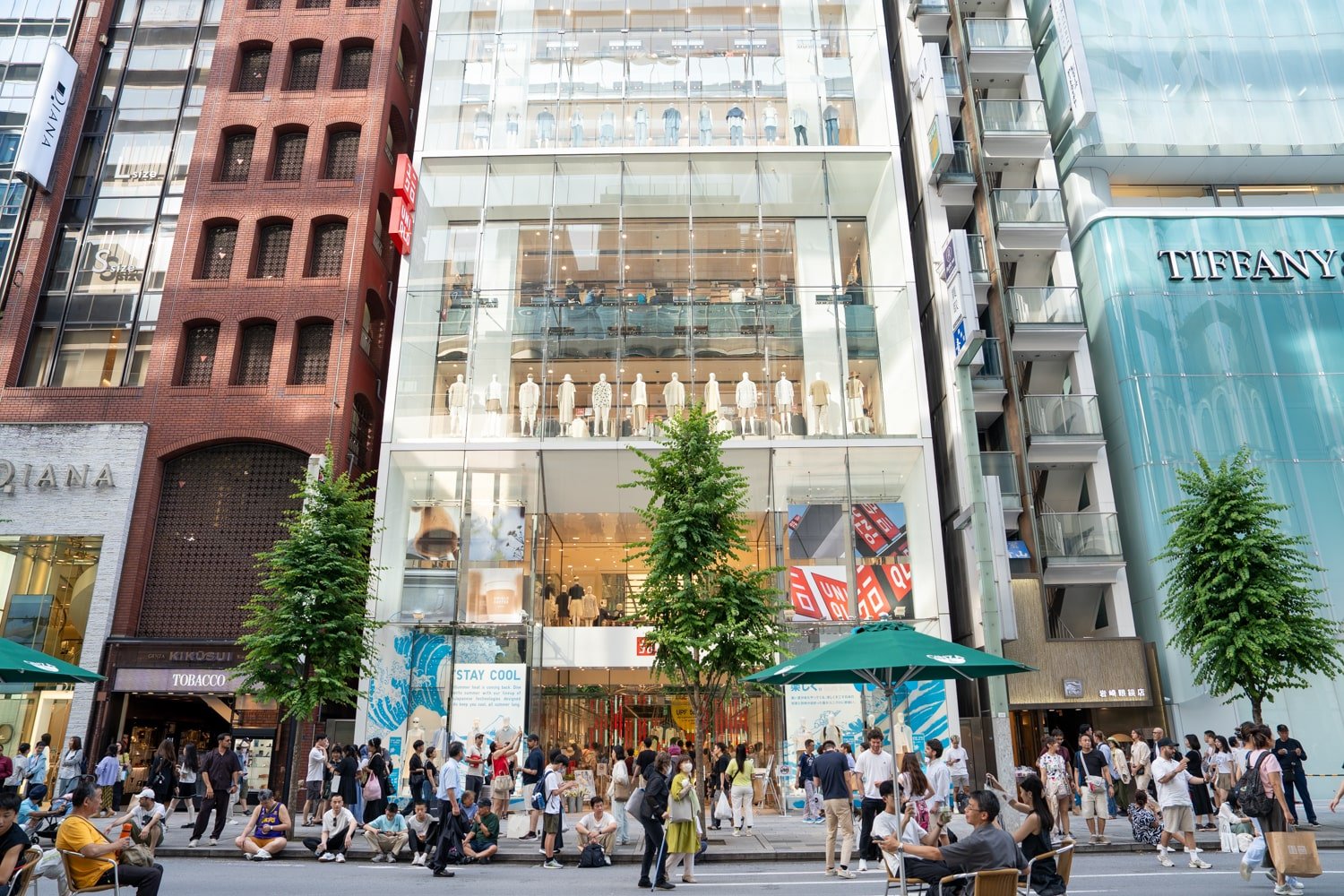
Here are a few things to do in Ginza to finish out your 5-day Tokyo itinerary:
- Itoya: Itoya is a stationery-lover’s dream! 8 floors of Japanese paper goods, pens, calligraphy tools, and more.
- UNIQLO Ginza: The world’s largest UNIQLO, including exclusive collabs and seasonal lines. Just getting here tired me out!
- MUJI: The store and cafe are one of the biggest I’ve seen.
- Ginza Six: A design-forward shopping complex with rooftop gardens and contemporary art installations.
If you visit Ginza on a Saturday or Sunday (you may need to shift your schedule/days around), the main boulevard turns into a pedestrian-only street.
This is the best time to visit Ginza because there’s so much more space to avoid the crowds, rather than cramming on the sidewalks!
Admittedly, Ginza isn’t my favorite place in Tokyo. You won’t find really cute tucked-away, crumbling izakayas here. Rather, you’ll find underground burger bars and massive depachika (department store food basements—which are cool too).
I recommend the basement floors of Mitsukoshi or Matsuya if you’re hungry or curious to see what these underground cities are really like! There are bento boxes, sushi, tempura, wagyu, and desserts—you name it.

Optional: Imperial Palace East Gardens or Marunouchi Walk
If you’ve got time and energy, walk from Ginza toward Tokyo Station’s Marunouchi side. The red-brick Tokyo Station building is a popular spot for photos, especially in the late afternoon light.
If you have time, tour the Imperial Palace East Gardens, which are free to enter and relatively uncrowded, or take a history walking tour. (Closed Mondays/Fridays.)
Another option is to visit more shrines in Tokyo! A popular one, especially in the summer during festival season, is the Yasuri Shrine.
And yet another option is to check out the Oedo Antique Market, located at the Tokyo International Forum.

Exploring Shibakoen: Sunset at Tokyo Tower, teamLab Borderless, Roppongi Hills
If you have five full days in Tokyo, close out your 5th day with a visit to the iconic Tokyo Tower in the Shibakoen area of Tokyo. (If your plane departs the evening of day five, work in your visit to the tower on another day.)
Tokyo Tower MUST not be missed! I have a strange affinity for this tower. The red-and-white Eiffel-style structure just beautifully captures Tokyo’s nostalgia. It’s especially magical at “blue hour,” when the sun sets and the skyline begins to sparkle.
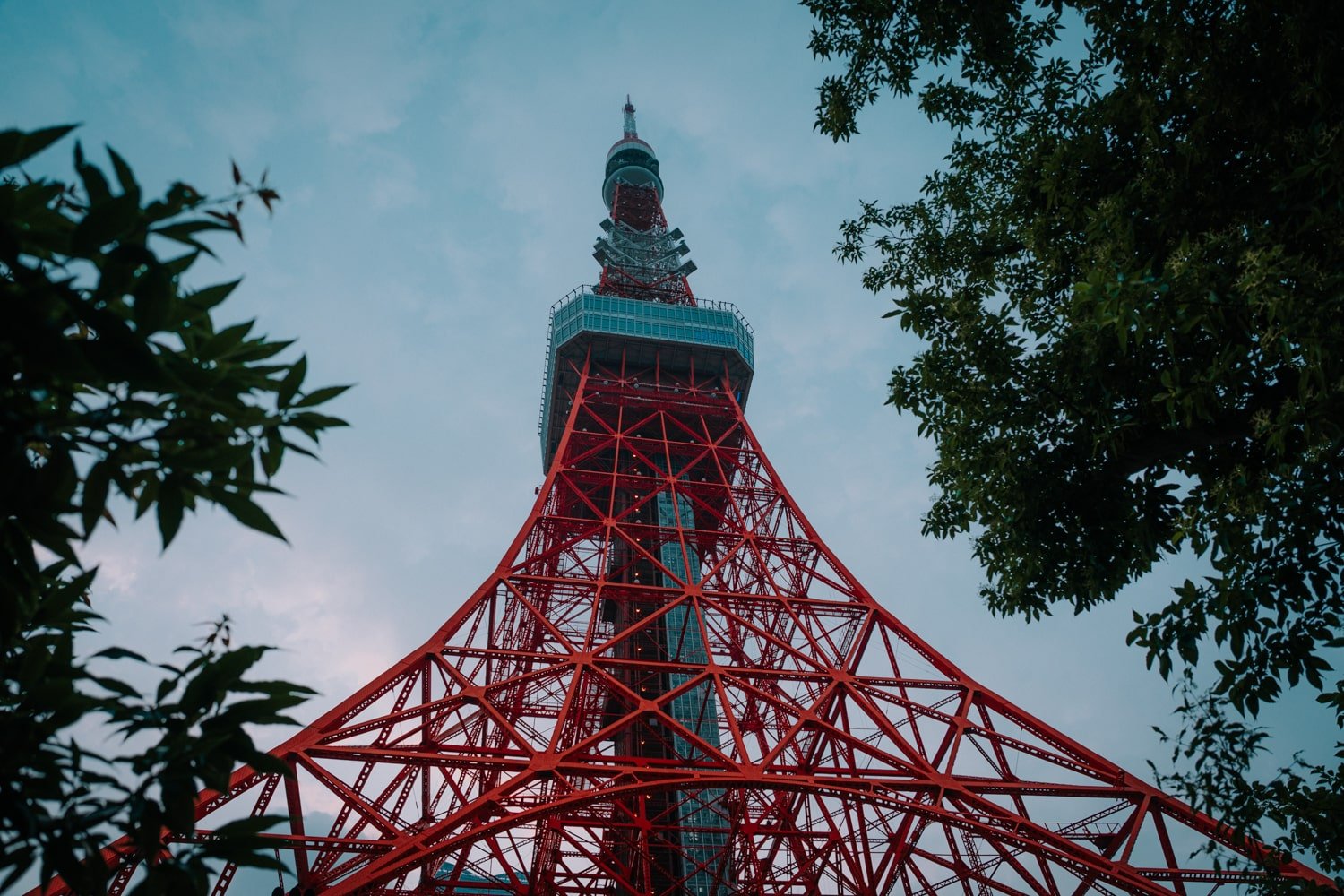
The Main Observatory (150m) can be visited for a fee and offers sweeping views of Tokyo, including glimpses of Mt. Fuji on a clear day! You can also opt for the Top Deck Tour (250m). (This is what we did!)
While Skytree is taller and more modern (and I love it so much, too!), Tokyo Tower feels more nostalgic and cinematic. It’s the perfect finale to your 5 days in Tokyo.
Grab a meal nearby at one of the hidden izakayas or fusion bistros in the Shibakoen area, or head toward Azabudai Hills, where you’ll find teamLab Borderless in the basement of the Morii building.
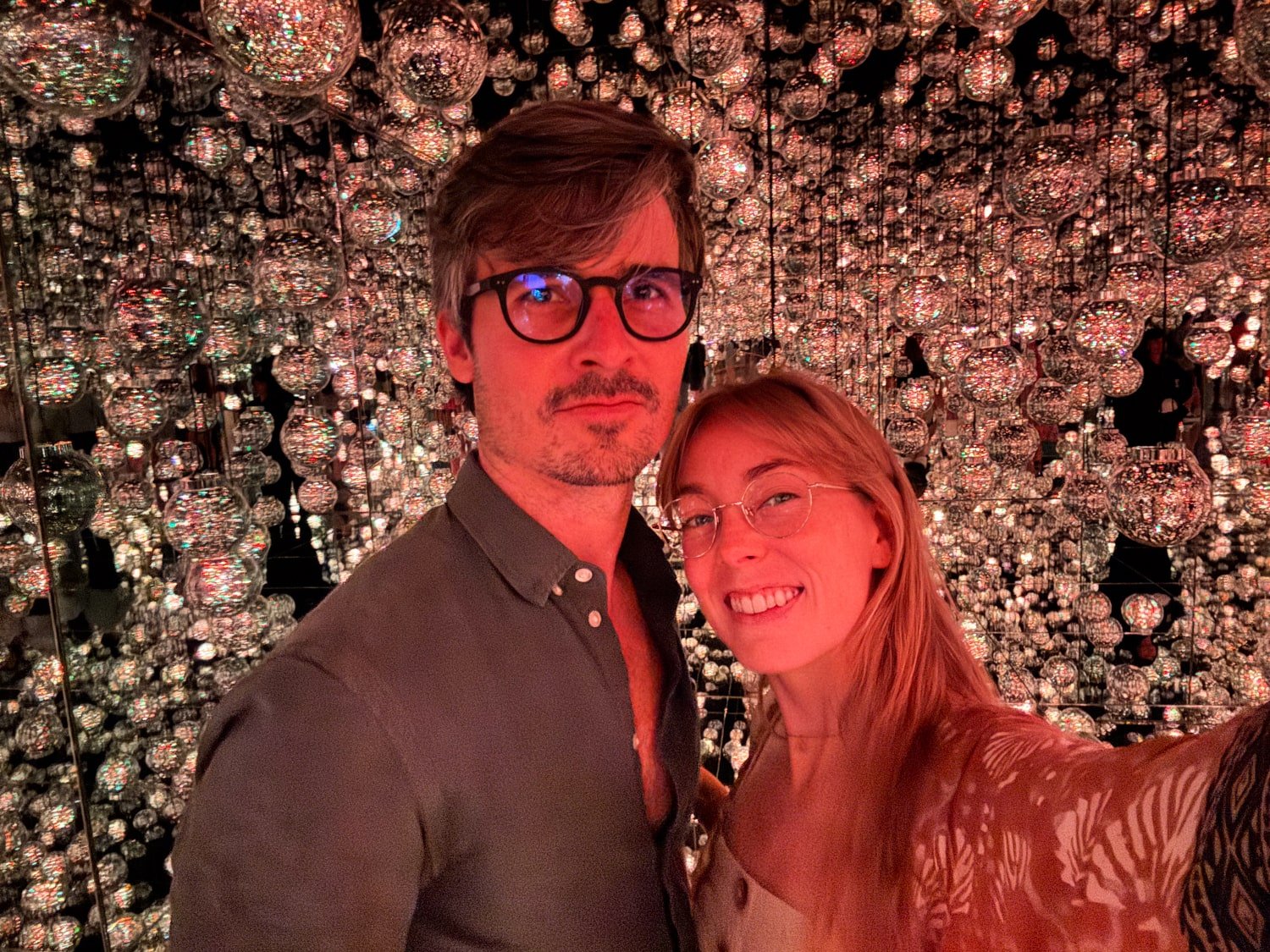
I would personally recommend eating at Pizza 4P’s Tokyo right nearby after your teamLab tour. It’s the BEST pizza and pasta you’ll find in Tokyo. (And sustainable, too!)
My Final Recommendations for 5 Full Days in Tokyo
This 5-day itinerary really focuses on exploring Tokyo only, rather than day trips.
However, I know not everyone gets multiple chances to be in the Tokyo area, so you may want to swap out a day in the city for a Greater Tokyo trip instead.
In that case, I’d recommend one of the following destinations (depending on season):
- Kawagoe: Cute, Edo-era village about 1 hour from Tokyo Central.
- Kamakura: Seaside! Buddha statue, temple, bamboo groves, beaches
- Nikko: Temples and forests and an iconic red bridge!
- Akigawa Valley: Rivers, waterfalls, and quaint countryside (like Hinohara, Tokyo’s only “village”)
- Mount Takao: Onsen, gondola, hiking trails!

But, truly, there’s so much more to Tokyo that even five days can’t cover (I mean, it does have 23 wards!!).
My suggested itinerary, however, takes you through Tokyo on and off the beaten path. You’ll get to see cozy, local neighborhoods while checking off your “quintessential Tokyo” bucket list. Everyone deserves to see the city sights at least once!
If you have any questions about what else to do in Tokyo or where to stay for a longer itinerary, ask away in the comments!